
Free Fingerless Gloves Crochet Pattern: Easy Beginner Mitts
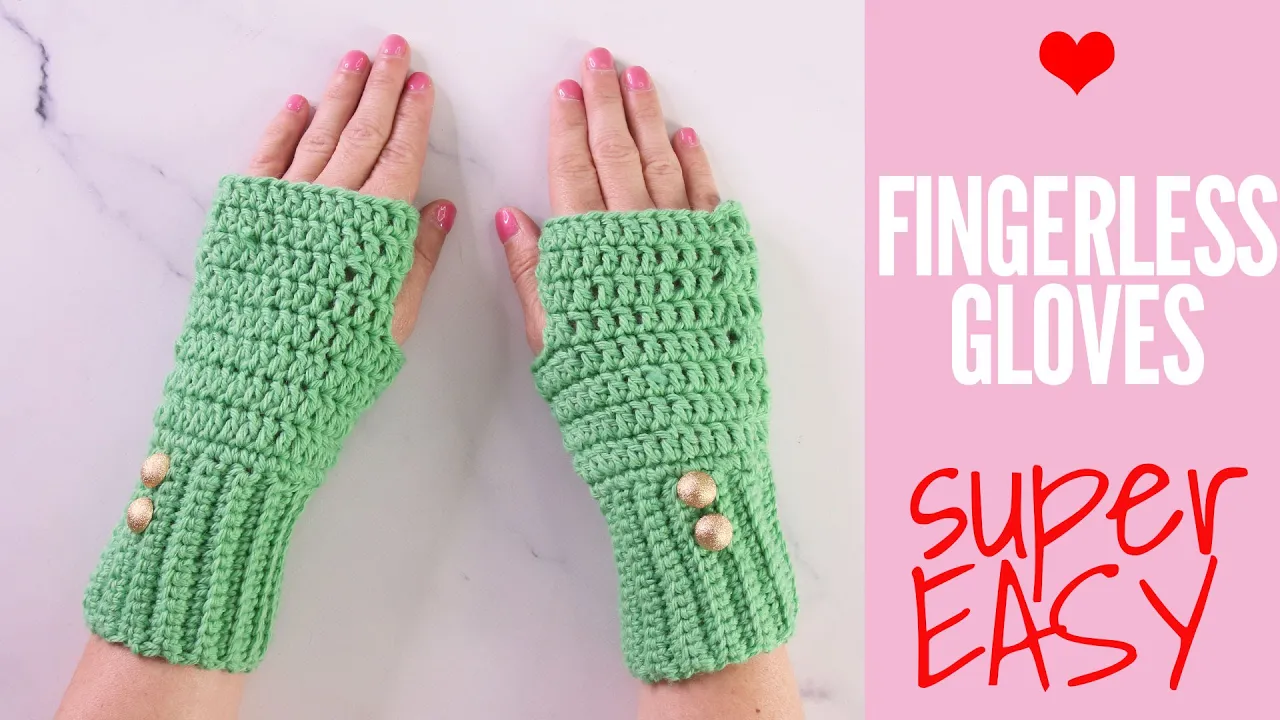
Fingerless gloves are that perfect little project—quick to whip up, endlessly useful, and just the right amount of cozy without trapping your fingers when you need them free.
They keep your hands warm on chilly days while letting you text, scroll, or sip coffee without fumbling. Whip up a pair in an evening with a single skein, and suddenly you've got a handmade accessory that feels both practical and stylish.
Why You'll Love This Fingerless Gloves Crochet Pattern
These mitts strike the ideal balance between warmth and dexterity. Your palms stay toasty, boosting circulation so even your fingertips feel better in the cold.
Texting in winter becomes effortless—no more removing gloves every few minutes. Many crocheters turn to them for typing at a desk or driving on frosty mornings.
They're fantastic quick gifts, too. As of early 2026, Ravelry shows dozens of new fingerless glove patterns released just in the last year, with thousands of projects logged—clearly, makers can't get enough.
A single 100g skein of worsted weight yarn often suffices, keeping costs low even with current prices around $8–12 for good acrylic-wool blends.
Materials Needed
Grab just a few basics, and you're set to start.
Yarn: One 100g skein of worsted weight (category 4) yarn yields a full adult pair, often with leftovers for a matching keychain or embellishment.
Hook: A 5mm (H-8) works beautifully for most worsted yarns.
Notions: Stitch markers (locking ones help for the thumb), tapestry needle for weaving ends, and scissors.
Many crocheters finish these in under 200 yards total—perfect for using up stash.
If substituting yarn, aim for something similar in weight and fiber to keep the drape right.
Last winter, one maker shared how a single skein turned into three pairs as gifts—talk about efficient.
Best Yarn Choices for Fingerless Gloves Crochet Pattern
Worsted weight strikes the sweet spot: thick enough for warmth, quick enough for satisfaction.
Lion Brand Wool-Ease (80% acrylic, 20% wool) tops many lists right now—soft, machine-washable, and currently around $8–10 per 197-yard skein.
It holds shape well without flopping, ideal for daily wear.
Caron One Pound offers incredible value at about $10–12 for 812 yards, plenty for multiple pairs in solid colors.
Beginners love its smoothness and lack of splitting.
For a touch more luxury, try Lion Brand Heartland (100% acrylic with a subtle tweed)—prices hover near $9 per skein and it mimics natural tones beautifully.
Check yarn subs on Ravelry; thousands of glove projects use these reliably.
Wool blends add warmth and elasticity, while pure acrylics excel in easy care.
Avoid super fuzzy yarns if you type a lot—they can catch on keys.
One crocheter switched to a wool-acrylic mix after acrylic pairs stretched too much; the difference amazed her.
Explore more in the guide to best yarn for hats—the same principles apply here.
Or see options in the cozy crochet cardigan pattern for similar wearable yarns.
Gauge, Size Guide & Must-Have Tools
Gauge matters more than you think for fit—aim for 14 half double crochet stitches and 10 rows in 4 inches with worsted yarn and 5mm hook.
Swatch in the round if possible; flat swatches sometimes lie.
Sizes: Small (7-inch hand circumference), Medium (8-inch), Large (9-inch)—adjust by adding or subtracting rounds at the wrist.
Thumb gusset increases make customization straightforward—go up a hook size for looser fit or down for snug.
Tools worth grabbing: Clover Amour or Tulip Etimo ergonomic hooks reduce hand strain; individual sizes run $10–15 each.
Stitch markers prevent losing your place during gusset rounds.
Measuring tape ensures perfect length—most prefer 6–7 inches from wrist to finger base.
If your gauge runs tight, bump to 5.5mm—no shame in that.
A friend once ignored gauge and ended with mitts fitting her teenager instead; now she swatches religiously.
Pair this project with the easy ribbed crochet beanie using the same yarn for a coordinated set.
Beginners can brush up via easy crochet patterns for beginners.
For more wearable ideas, try the snow bunny cowl or granny stitch cowl.
Pattern Notes & Tips Before You Start
Work these gloves in continuous rounds—join each round with a slip stitch but avoid turning unless noted.
Place a stitch marker in the first stitch of every round to track your spot easily.
The simple thumb gusset builds gradually with increases; beginners often find it clicks after the first few rounds.
Count stitches regularly, especially after increase rounds—it's easier to fix early.
This pattern uses only half double crochet and single crochet, both forgiving and quick to learn.
If your yarn splits, try a hook with a smoother tip; many swear by inline hooks for tricky fibers.
Steam blocking opens up the fabric beautifully without stretching—lay flat and hover a steamer above.
Safety first: keep hooks away from little ones, and never crochet while driving.
One crocheter once rushed the gusset and ended up with uneven thumbs; now she counts twice and enjoys the process more.
For more on mastering increases, peek at the easy crochet patterns for beginners guide.
Pair these with a classic granny square project to practice similar stitches.
Abbreviations Explained
All terms follow standard US crochet conventions.
ch – chain: Yarn over, pull through loop on hook. Start every project confidently—chains form the foundation.
sl st – slip stitch: Insert hook, yarn over, pull through both loops. Great for joining rounds invisibly.
sc – single crochet: Insert hook, yarn over, pull up loop, yarn over, pull through both loops. Tight and sturdy; perfect for edging.
hdc – half double crochet: Yarn over, insert hook, yarn over, pull up loop, yarn over, pull through all three loops. The main stitch here—gives lovely drape.
inc – increase: Work two stitches in the same stitch. Used for the thumb gusset; space them evenly for smooth shaping.
PM – place marker: Slip a locking marker into the stitch. Essential for tracking gusset increases.
rnd(s) – round(s): The pattern works seamlessly in spirals after the cuff.
rep – repeat: Follow the instructions in asterisks or parentheses.
FO – fasten off: Cut yarn, pull tail through last loop, weave in securely.
New to any of these? The easy crochet heart pattern tutorial breaks down sc and hdc perfectly.
Thumb gussets can feel tricky at first—one reader skipped marking and lost count; now she uses colorful markers and loves the result.
Practice chains and hdc with scraps first—build muscle memory without pressure.
See similar techniques in the free crochet butterfly pattern or layered crochet flower.
Step-by-Step Fingerless Gloves Crochet Pattern
Ready to dive in? This pattern makes one pair of adult-sized fingerless gloves (fitting hand circumferences 7–9 inches). Both gloves are identical—perfect for symmetry without extra thinking.
Work them from the wrist up in joined rounds for a seamless look. The ribbed cuff gives stretch, the body uses half double crochet for drape, and the simple gusset shapes the thumb without fuss.
Gauge: 14 hdc x 10 rounds = 4 inches. Adjust hook size if needed.
Sizes: Small/Medium (28 foundation chains), Large (32 foundation chains). Instructions include both; default is Medium.
Cuff (Worked in Rows)
Chain 11 (for all sizes).
Row 1: Sc in 2nd ch from hook and each ch across. (10 sc)
Row 2: Ch 1, turn. Sc in back loop only of each st across. (10 sc)
Repeat Row 2 until cuff measures 7 inches (Small/Medium: about 28 rows) or 8 inches (Large: about 32 rows)—stretch it slightly as you measure.
Slip stitch the two short ends together to form a tube, working through back loops of last row and foundation chains. Do not fasten off.
Turn the cuff right side out. Now switch to rounds.
Hand Section (Worked in Rounds)
Round 1: Ch 1. Work 28 (32) hdc evenly around the cuff edge (one hdc per row end). Join with sl st to first hdc. (28 (32) hdc)
Round 2–6: Ch 1, hdc in each st around. Join. (28 (32) hdc)
These rounds create the wrist area. Try it on—add or remove a round here for length.
Begin Thumb Gusset
Round 7: Ch 1, 2 hdc in first st (inc made), hdc in next 13 (15) sts, 2 hdc in next st, hdc in remaining 14 (16) sts. Join. PM in the two increase sts if helpful. (30 (34) sts)
Round 8: Ch 1, hdc in each st around. Join. (30 (34) hdc)
Round 9: Ch 1, 2 hdc in first st, hdc to next marked inc, 2 hdc in marked st, hdc to end. Join. (32 (36) sts)
Round 10: Ch 1, hdc around. Join.
Round 11: Ch 1, 2 hdc in first, hdc to next inc, 2 hdc in it, hdc to end. (34 (38) sts)
Round 12: Ch 1, hdc around.
For Small/Medium stop increases here; for Large do one more increase round to 40 sts.
Many beginners nail the gusset on the second glove after seeing how it grows.
Thumb Opening
Next Round: Ch 1, hdc in first 15 (17) sts, ch 8 (10) loosely, skip next 8 (10) gusset sts, hdc in remaining 15 (17) sts. Join. (30 (34) hdc + 8 (10) ch = 38 (44) sts total, but thumb hole created)
Upper Hand
Round 1–5 after thumb hole: Ch 1, hdc in each st and ch around. Join. (38 (44) hdc)
Try on again—add rounds for longer coverage or stop earlier for shorter mitts.
Final Round: Ch 1, sc in each st around for a neat edge. Join and fasten off.
Thumb Edging
Join yarn at thumb hole with sl st.
Round 1: Ch 1, work 16 (20) hdc evenly around the opening (including over the chains). Join.
Round 2: Ch 1, sc in each st around. Join and fasten off.
Weave in all ends securely.
Assembly and Finishing
No real assembly needed since it's seamless. Give them a gentle steam block—lay flat, pin if desired, and hover a steamer to relax the stitches.
Weave ends along the inside for invisibility.
If the thumb feels tight, add an extra round of sc increases next time.
One reader made her first pair slightly snug, then adjusted the gusset skips on the second—now they fit perfectly.
For a ribbed edging alternative, check the easy ribbed crochet beanie free pattern—same technique scales down nicely.
Practice the gusset shaping with the easy crochet heart pattern free tutorial for similar increases.
Match them with the snow bunny cowl free chunky pattern using leftover yarn.
Or try a granny stitch cowl with picot edging for coordinating accessories.
Yarn choice tips align with best yarn for hats—warm and washable wins here too.
Beginners often start here; see more ideas in easy crochet patterns for beginners.
Repeat for the second glove— you'll fly through it faster. Enjoy your new cozy pair!
Easy Variations & Custom Ideas
Switch up the cuff for instant personality—try post stitches for deeper ribs or even a granny stitch band.
Dragon scale gloves remain hugely popular; the crocodile stitch creates that textured, scaly look crocheters love on Ravelry projects well into 2026.
Add a simple picot edge around the fingers and thumb for a delicate finish—chain 3, slip stitch in the next stitch, repeat.
Stripes work beautifully here: change colors every 2–3 rounds for a subtle variegated effect without buying specialty yarn.
Embellish with surface crochet chains or small appliques—think hearts or stars for gifts.
One maker added wooden buttons along the cuff seam; suddenly basic became boutique.
For longer arm warmers, simply continue hdc rounds before the thumb opening—many extend to elbow length these days.
Try the suzette stitch (sc, dc in same, skip one) for denser texture; it's trending in chunky versions right now.
Practice appliques on scraps first—check the easy crochet heart pattern free tutorial or free crochet butterfly pattern easy.
Layer flowers using the easy layered crochet flower pattern for pretty accents.
Common Troubleshooting and Fixes
Thumb hole too tight? Pick up more stitches around the opening next time or add an extra chain in the skip section.
Gloves stretching out? Switch to a wool blend like Lion Brand Wool-Ease (still around $8–10 per skein in early 2026) for better recovery.
Cuff curling? Block aggressively or work the ribbing in back loops only for sharper definition.
Uneven gusset? Count increases carefully and use stitch markers—most issues disappear with consistent tension.
Edges flaring? Go down a hook size for the final sc round to cinch it in gently.
One crocheter's pair twisted at the join; now she always marks the first stitch and checks direction.
Yarn splitting driving you nuts? Inline hooks often glide better through acrylic-wool mixes.
Thumb gaping? Decrease a few stitches over two rounds at the base for a snugger fit.
If gauge is off, swatch again—small changes in hook size make big differences in wearables.
See more beginner troubleshooting in easy crochet patterns for beginners.
Next-Level Tips
Add touchscreen fingertips: embroider conductive thread on index and thumb pads—works surprisingly well.
Work in the third loop for camel stitch ridges; it gives a knit-look that's subtle yet sophisticated.
Try gradient cakes—slow color changes elevate simple hdc into something special.
Steam block aggressively for professional drape; many notice the difference immediately.
Line with fleece scraps for extra wind protection without bulk.
Experiment with post stitches around the hand for subtle cable effects.
One advanced maker added elbow-length extensions and turned these into full arm warmers for winter markets.
Practice granny techniques on the classic granny square crochet pattern before incorporating clusters.
Pair with the tansy granny triangle shawl pattern for coordinated sets.
Explore chunkier versions inspired by the snow bunny cowl free chunky pattern.
You Might Also Love These Patterns
- Easy Ribbed Crochet Beanie Free Pattern: Pair your gloves with this matching ribbed hat for a cozy set.
- Snow Bunny Cowl Free Chunky Pattern: Quick chunky cowl that uses similar stitches and makes a perfect companion accessory.
- Granny Stitch Cowl with Picot Edging Free Pattern: Add a touch of classic granny style to your winter wardrobe.
- Cozy Crochet Cardigan Pattern: Level up to a wearable sweater with beginner-friendly construction.
- Tansy Granny Triangle Shawl Pattern: Beautiful lightweight shawl for layering over your new gloves.

The Author
I'm Joanna T. Grey. I've been designing crochet patterns for over a decade, and I focus on modern, wearable pieces with clear, tested instructions. Every pattern here is written so you actually understand the why behind each step—not just what to do. Even if you're new or experienced, you'll find practical guidance and designs that work.


