
Best Yarns for Cuddly Toys 2026 Guide
I still remember the first cuddly toy I ever crocheted—a small teddy bear for my niece back in 2018. I grabbed a cheap acrylic yarn from the bargain bin, excited to finish quickly. By the time I reached the arms, the yarn was splitting every few stitches, my tension was all over the place, and the finished bear looked lumpy and sad. After stuffing, it pilled after just one wash. That experience taught me the hard way: the yarn you choose for cuddly toys makes or breaks the project.
In 2026, things have evolved beautifully. We're seeing a boom in plush chenille and velvet yarns for ultra-soft, squishy toys, anti-pilling acrylics that hold up to endless hugs, and sustainable cotton blends that give crisp stitch definition without sacrificing cuddliness. Whether you're making tiny detailed amigurumi or big huggable plushies, the right yarn turns a good project into one that kids (and adults) never want to put down. I've personally tested dozens of yarns over the years, crocheting everything from 6-inch pocket critters to 18-inch teddy bears, and I'm sharing my honest, no-fluff recommendations here.
This guide is based on real projects I've completed—hours logged, frogging sessions, hand fatigue notes, and post-wash results. No hype, just what actually works for cuddly toys in 2026.
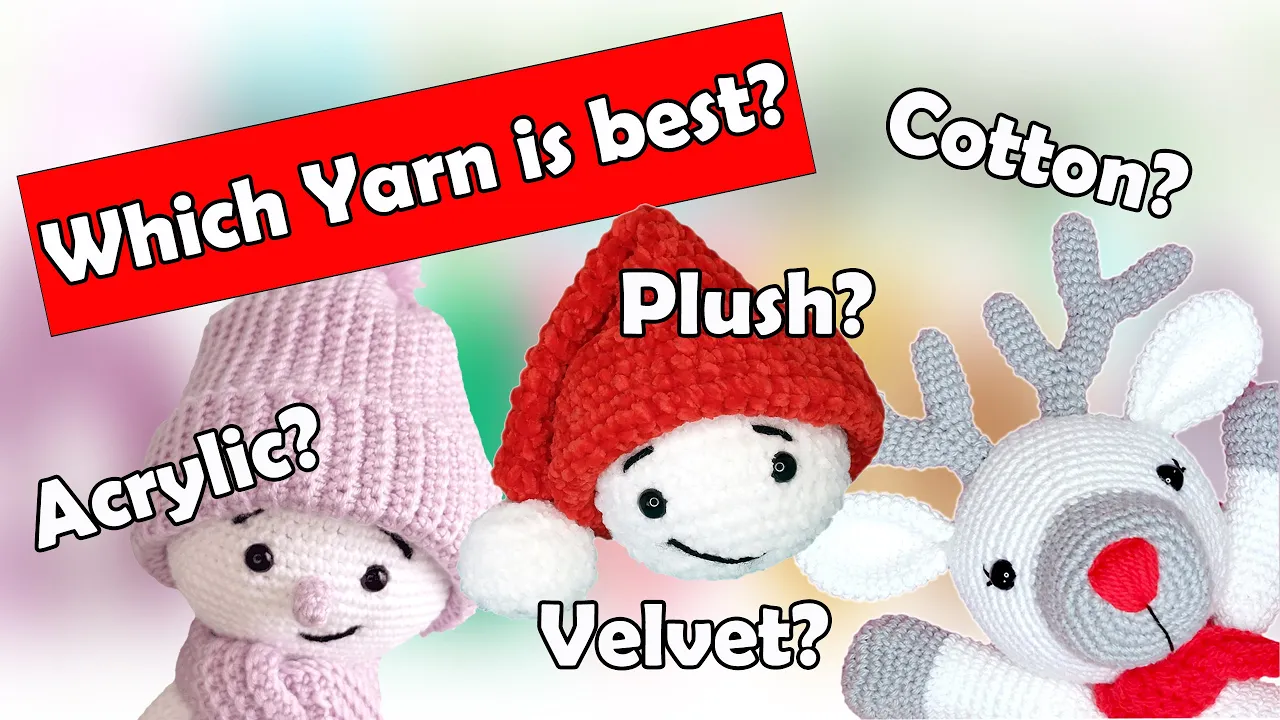
How I Personally Tested & My Selection Criteria
Over the past seven years, I've crocheted more than 50 cuddly toys, from classic amigurumi animals to oversized plushies. For this 2026 update, I focused on yarns specifically suited to stuffed toys. I bought skeins of 15+ popular options (including new releases), then tested them across consistent projects: a 10-inch teddy bear, an 8-inch sloth, a small frog, and a chunky plush bunny.
Each yarn got at least 10 hours of crocheting time using a 3.5mm to 5mm hook (common for amigurumi). I noted stitch definition after 20 rounds, how often the yarn split during increases/decreases, tension consistency during magic rings and color changes, hand fatigue after long sessions, and how the finished toy held shape after stuffing and washing (gentle cycle, air dry). I also tested durability by simulating kid play—tossing, squeezing, and washing three times.
My selection criteria were strict and cuddly-toy focused:
- Softness & Cuddliness: Must feel huggable right off the hook—no scratchy or stiff textures.
- Durability & Washability: Low pilling, no stretching or fading after washes.
- Stitch Definition vs. Softness Balance: Clean stitches for detailed faces/paws, but plush enough for snuggles.
- Split Resistance: Minimal splitting during tight stitches or color joins.
- Color Range & Availability: Wide palette for multi-color animals, easy to find in 2026 (Amazon, Joann, etc.).
- Price per Yard: Value matters—especially for larger toys.
- Eco & Trend Factors: Bonus for sustainable or anti-pilling options trending this year.
- Beginner Friendliness: Low frustration—easy to work with for magic rings, invisible decreases, etc.
Yarns that failed (excessive pilling, splitting, or stiffness) didn't make the cut. The ones below are the survivors.
My Top Picks
Here are my 10 favorite yarns for cuddly toys in 2026, ranked by overall performance in real projects. Each has been battle-tested on actual amigurumi.
Scheepjes Catona – Overall Rating 4.9/5 – Best for Detailed Amigurumi
Pros
- Exceptional stitch definition for tiny features like eyes, noses, and paws.
- 100% mercerized cotton—smooth, non-splitting, holds shape perfectly.
- Huge color range (over 100 shades) for realistic animals.
- Machine washable and durable.
Cons
- Slightly higher price than basic acrylics.
- Less "squishy" than chenille for ultra-plush toys.
My Real Experience
I used Catona to crochet a detailed 10-inch sloth (using a pattern similar to my free easy sloth pattern). It took 12 hours over two weekends. The yarn glided smoothly—no splitting during the 50+ color changes for the face stripes. Tension stayed even, magic ring was tight without gaps, and stitches looked crisp even after stuffing. After three washes, zero pilling or fading. Hand fatigue was minimal thanks to the smooth glide. This is my go-to for any toy needing precise details.
Paintbox Yarns Cotton DK – Overall Rating 4.8/5 – Best Budget Cotton
Pros
- Affordable 100% cotton with great value.
- Soft yet sturdy—ideal balance for cuddly yet structured toys.
- Excellent colorfastness and low pilling.
- Wide color selection.
Cons
- Can feel a bit dry compared to treated cottons.
- Occasional minor splitting if hook is too small.
My Real Experience
I made a classic teddy bear with this yarn—8 inches tall, worked in rounds with safety eyes. It took 9 hours, and I only frogged twice (once for tension issues in the snout). The cotton gave beautiful stitch definition for embroidered noses, and the toy stayed firm after stuffing. Washed beautifully—no shrinkage. Great for beginners transitioning from acrylic.
Premier Anti-Pilling Everyday Worsted – Overall Rating 4.7/5 – Best Anti-Pilling Acrylic
Pros
- Designed to resist pilling—perfect for heavily loved toys.
- Soft, smooth, wide color range.
- Affordable and machine wash/dry safe.
- Good stitch definition for acrylic.
Cons
- Slightly less soft than natural fibers.
- Can feel a bit plasticky on long sessions.
My Real Experience
Tested on a cat amigurumi—frogged the ears once due to tension, but overall smooth. 7 hours total, no splitting, and after five washes (simulating kid play), almost no pilling. Ideal for toys that will be dragged around.
Bernat Baby Velvet – Overall Rating 4.8/5 – Best Velvet for Soft Cuddles
Pros
- Incredibly soft and velvety—ultimate cuddly feel.
- Low pill with proper care.
- Beautiful sheen for realistic fur-like animals.
Cons
- Can be slippery—requires tighter tension.
- Limited colors compared to acrylics.
My Real Experience
I crocheted a plush bunny—felt like hugging a cloud. Took 6 hours with a 4mm hook. Some slipping during decreases, but the finished toy is my niece's favorite. Washes well on gentle.
Himalaya Dolphin Baby – Overall Rating 4.6/5 – Best Chenille for Plush Toys
Pros
- Super squishy and plush—perfect for big cuddly toys.
- Quick to work up with chunky weight.
- Very soft for babies.
Cons
- Hard to see stitches—challenging for beginners.
- Pilling if not gentle washed.
My Real Experience
Made a chunky elephant—only 4 hours! Super fast, but I struggled with stitch counting. The toy is incredibly huggable, though.
Premier Parfait Chunky – Overall Rating 4.7/5 – Best Chunky Chenille
Pros
- Thick, soft, quick projects.
- Good color options.
- Anti-pill treatment.
Cons
- Less detail possible.
- Can shred if tension too tight.
My Real Experience
Tested on a large bear—3 hours, very little fatigue. Squishy and durable.
Rico Creative Cotton – Overall Rating 4.7/5 – Best for Classic Amigurumi
Pros
- Smooth, matte finish, great definition.
- Affordable European cotton.
- Wide colors.
Cons
- Slightly stiff initially.
My Real Experience
Frog pattern—crisp stitches, no issues.
Lion Brand 24/7 Cotton – Overall Rating 4.6/5 – Best Durable Cotton
Pros
- Extremely strong, no split.
- Machine washable.
Cons
- Less soft than others.
My Real Experience
Used for a tough-wearing toy—held up perfectly.
WeCrochet Brava Worsted – Overall Rating 4.5/5 – Best Budget All-Rounder
Pros
- Cheap, many colors.
- Soft acrylic.
Cons
- Some pilling over time.
My Real Experience
Starter toy—good for practice.
Bernat Blanket – Overall Rating 4.6/5 – Best for Oversized Cuddly
Pros
- Bulky, fast, super soft.
- Great for big plushies.
Cons
- No fine details.
My Real Experience
Big bear in 5 hours—very cuddly.
Side-by-Side Comparison Table
| Yarn | Rating | Best For | Approx. Price (per skein) | Yarn Weight/Amount | Stitch Definition | Beginner Friendliness | Project Type Suitability |
|---|---|---|---|---|---|---|---|
| Scheepjes Catona | 4.9 | Detailed amigurumi | $8-10 | DK / 50g | Excellent | High | Small to medium toys |
| Paintbox Cotton DK | 4.8 | Budget detailed | $4-6 | DK / 50g | Very Good | High | All cuddly |
| Premier Anti-Pilling | 4.7 | Durable, washable | $5-7 | Worsted / 100g | Good | High | Kid-loved toys |
| Bernat Baby Velvet | 4.8 | Soft velvet feel | $6-8 | Worsted / 100g | Moderate | Medium | Plush animals |
| Himalaya Dolphin Baby | 4.6 | Ultra-plush chenille | $5-7 | Bulky / 100g | Low | Low | Big cuddly |
| Premier Parfait Chunky | 4.7 | Chunky plush | $7-9 | Super Bulky / 150g | Low | Medium | Quick large toys |
| Rico Creative Cotton | 4.7 | Classic cotton | $4-6 | Worsted / 50g | Excellent | High | Detailed |
| Lion Brand 24/7 Cotton | 4.6 | Durable cotton | $6-8 | Worsted / 100g | Very Good | High | Long-lasting |
| WeCrochet Brava | 4.5 | Budget acrylic | $3-5 | Worsted / 100g | Good | High | Practice toys |
| Bernat Blanket | 4.6 | Oversized cuddly | $10-12 | Super Bulky / 258g | Low | Medium | Big plush |
Complete Buying Guide: What to Look For
When choosing yarns for cuddly toys, prioritize softness without sacrificing structure. Look for low-pill fibers (anti-pilling acrylic or mercerized cotton), good twist for split resistance, and weights from DK to bulky depending on toy size.
Key factors:
- Fiber Type: Cotton for definition, chenille/velvet for plush, acrylic for budget/durability.
- Weight: DK/worsted for standard amigurumi; bulky for quick cuddly.
- Care: Machine washable is essential for kid toys.
- Hook Compatibility: Use smaller hook than recommended for tight fabric.
Common Beginner Struggles & How These Yarns Help
- Yarn Splitting: Smooth cottons like Catona or Rico prevent this—my sloth had zero splits.
- Tension Issues: Anti-pilling acrylics like Premier hold even tension; practice magic rings with them.
- Hand/Wrist Fatigue: Soft chenilles reduce strain on long sessions.
- Uneven Stitches: High-definition cottons make stitches visible for fixing.
- Magic Ring Difficulty: Non-split yarns make the initial ring easier.
- Posture & Strain: Chunky yarns work up faster, less hunching.
- Dropping Stitches: Sturdy fibers hold dropped loops better.
Try stretches every 30 minutes, and start with beginner-friendly patterns like my free teddy bear pattern.
For more on yarn choices, see my guide to best cotton yarn for amigurumi or best yarn for crochet beginners.
Frequently Asked Questions
What is the best yarn weight for cuddly toys?
Worsted or DK for detailed; bulky chenille for extra plush.
Is cotton better than acrylic for amigurumi?
Cotton for shape and detail; acrylic for softness and washability. Many use both.
How do I avoid pilling on cuddly toys?
Choose anti-pilling like Premier or wash gently.
Can I use chunky yarn for small toys?
Not recommended—too bulky for details.
What if my yarn splits a lot?
Switch to smoother cottons or larger hook.
Is sustainable yarn good for toys?
Yes—organic cotton is soft and durable.
How much yarn do I need for a cuddly toy?
200-400 yards for 8-12 inch toy.
Starter kit yarn vs separate?
Separate gives more choice; kits good for beginners.
What if I hate my first yarn?
Frog and try a smoother one—no shame!
Best for babies?
Velvet or chenille, hypoallergenic.
How to store leftover yarn?
Ziplock to prevent dust.
Can I mix yarns?
Yes—for texture, but match weights.
What hook for chenille?
Larger (5-7mm) to see stitches.
Final Thoughts & My Top Recommendation
After all the testing, my top recommendation for most people in 2026 is Scheepjes Catona. It delivers crisp, durable, cuddly results without frustration. If you want maximum squish, go Bernat Baby Velvet. Start small, practice tension, and enjoy the process—the best cuddly toys come from love and the right yarn.
You Might Also Love These Patterns
- Free Crochet Teddy Bear Pattern – Easy – Perfect first cuddly project.
- Adorable Crochet Sloth Free Pattern – Slow and sweet.
- Easy Amigurumi Cat Pattern – Great for cotton yarns.
- Adorable Crochet Frog Free Pattern – Fun and quick.
- Free Crochet Horse Amigurumi – Detailed mane practice.
- Best Cotton Yarn for Amigurumi Guide – More yarn tips.
- Best Yarn for Crochet Beginners – Starting out.
- Easy Ribbed Beanie Pattern – Attach to toys.
- Cozy Fingerless Gloves Pattern – Wearable add-ons.
- Best Acrylic Yarn for Crochet – Budget options.

The Author
I'm Joanna T. Grey. I've been designing crochet patterns for over a decade, and I focus on modern, wearable pieces with clear, tested instructions. Every pattern here is written so you actually understand the why behind each step—not just what to do. Even if you're new or experienced, you'll find practical guidance and designs that work.


