
Free Crochet Balaclava Pattern: Easy Cozy Winter Hood
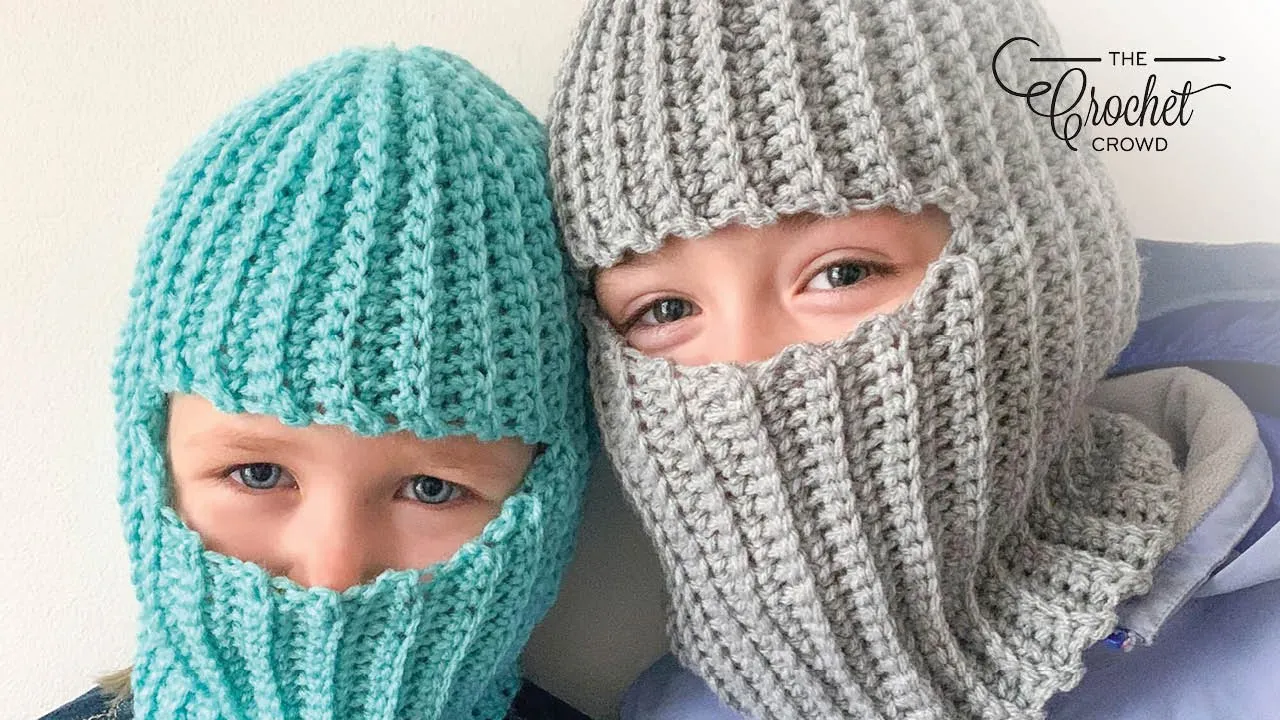
Nothing beats slipping on a handmade balaclava when the wind picks up. This one-piece wonder covers your head, neck, and most of your face, all while looking effortlessly stylish.
Perfect for quick outdoor errands or layering under a hood. You'll finish it in a weekend, feeling that satisfying glow of creating something both practical and pretty.
Ready to hook one up? Let's dive in.
Why You'll Love This Crochet Balaclava Pattern
Balaclavas are having a serious moment right now. On Ravelry, new crochet balaclava designs popped up throughout 2025, with textured moss stitch versions and ribbed styles gaining hundreds of projects each.
They blend ultimate warmth with streetwear vibe—think bold colors or subtle neutrals that peek out from your coat.
One skein of worsted weight yarn often does the trick. Big Twist Value from Michaels runs about $4.49 per 380-yard skein these days, making this an affordable stash-buster.
Last winter, I whipped one up in a deep teal for my nephew who bikes everywhere. He wore it nonstop, even pulling it down like a cowl on milder days. Seeing it get real use? Pure joy.
Materials Needed
Grab your hook and let's gather supplies. This balaclava works up fast with worsted weight yarn—expect to use about 250-350 yards depending on size and how snug you like the neck.
Essential tools:
- 5.0 mm (H-8) crochet hook for the main body
- 4.5 mm (7) hook for ribbing edges
- Yarn needle for weaving ends
- Stitch markers to track rounds
- Scissors
Optional but handy: a measuring tape to check gauge mid-project.
You'll need one or two skeins total. Acrylics keep costs low and wash easily—perfect if this is a gift or gets daily wear.
For a bit more warmth, try a wool blend. Machine-washable options rule for busy lives.
Last year I made three in one weekend for holiday gifts. Supplies fit neatly in a small bag—great for travel crocheting.
Best Yarn Choices for Crochet Balaclava Pattern
Worsted weight (category 4) shines here—dense enough for wind-blocking warmth without bulk.
Top budget pick: Red Heart Super Saver. Solids run about $5.99 for a 7 oz skein (364 yards) as of early 2026. Durable, no-dye-lot solids mean easy matching if you need extra. Hundreds of Ravelry balaclava projects swear by it for holding shape through washes.
Soft everyday option: Lion Brand Heartland. Around $7.49 per 5 oz skein (251 yards), this premium acrylic offers subtle heathered tones inspired by national parks. Breathable yet cozy—ideal against skin.
Value acrylic standby: Look for alternatives to the discontinued Big Twist Value, now often rebranded or similar at Michaels around $4-6 per large skein. Great anti-pilling properties for wearables.
For wool warmth without full scratch: try superwash merino blends. Many 2025 Ravelry favorites use them for balaclavas—soft next-to-skin feel.
Avoid 100% rough wool if sensitive. Acrylic or blends forgive beginner tension variations beautifully.
I once used leftover Red Heart scraps for a striped version—turned out vibrant and zero extra cost.
Gauge, Size Guide & Must-Have Tools
Gauge matters hugely for fit—balaclavas need to hug without sagging.
Swatch specs: 16 half double crochets x 12 rows = 4x4 inches with 5.0 mm hook. Measure in the round if possible; crochet relaxes differently.
Sizes range from teen/small adult (20-21 inch head circumference) to large (23-24 inches). The pattern includes easy adjustments—add/subtract crown rounds or neck rows.
Quick tweaks:
- For smaller: drop to 4.5 mm hook
- For larger: go up to 5.5 mm or add 4-6 stitches at start
Head measurements: average women 21-22 inches, men 22-23 inches. Measure around forehead for best fit.
Tools beyond basics: locking stitch markers help track face opening shaping.
Blocking isn't essential with acrylic, but a light steam evens stitches beautifully.
One beginner tester last month nailed perfect fit on first try after swatching—just 10 minutes extra upfront.
Pattern Notes & Tips Before You Start
Take a deep breath—this pattern is straightforward and forgiving. You'll work the crown in continuous rounds, then shape the face opening with simple chains and skips.
Key technique: half double crochet in the third loop only for that lovely ribbed texture on the edges. It's easier than it sounds—just look for the horizontal bar below the usual back loop.
The balaclava is seamless except for minimal weaving at the end. Use stitch markers generously to track the beginning of rounds.
Safety first: ensure the face opening sits comfortably—try it on as you go. Never wear while driving or operating machinery, as visibility matters.
Work in a magic ring for the crown start; if that's new, practice on scrap yarn first. My easy magic ring tutorial links to basics if needed.
Tension tip: crochet loosely in the neck ribbing for stretch. Acrylic yarns bounce back nicely.
One tester last winter forgot markers and lost count—easy fix by counting stitches per round early on.
Adjustments are simple: for a slouchier fit, add extra crown rounds before the face shaping.
Abbreviations Explained
All terms follow standard US crochet conventions. Here's every one used, with clear explanations and tips.
ch – chain: Yarn over, pull through loop on hook. Tip: Keep chains loose for easier working into them later—common beginner snag.
sc – single crochet: Insert hook, yarn over, pull up loop, yarn over, pull through both loops. Great foundation stitch; use for ribbing edges.
hdc – half double crochet: Yarn over, insert hook, yarn over, pull up loop, yarn over, pull through all three loops. The main body stitch here—gives dense, warm fabric.
sl st – slip stitch: Insert hook, yarn over, pull through both stitch and loop on hook. Used for joining rounds invisibly.
sc blo – single crochet in back loop only: Work sc into the back loop instead of both. Creates stretchy ribbing—perfect for neck and bottom edge.
hdc third loop – half double crochet in third loop only: Push front and back loops forward; work into the horizontal bar below back loop. Adds knit-like ridges—see it in many ribbed beanie patterns.
inc – increase: Work two stitches into one stitch. Usually two hdc for smooth crown shaping.
dec – decrease (hdc2tog): Yarn over, insert into first stitch, pull up loop, yarn over, insert into next, pull up loop, yarn over, pull through all loops. Invisible decreases keep shaping neat.
rnd – round: Full circle of stitches in continuous spiral.
rep – repeat: Follow instructions in asterisks or parentheses.
st(s) – stitch(es): Basic unit.
If abbreviations feel overwhelming, bookmark my beginner guides like easy crochet patterns for beginners or practice with a simple ribbed beanie.
Many new crocheters master these quickly on projects like my granny stitch cowl—same core stitches. You've got this.
Step-by-Step Crochet Balaclava Pattern
This seamless balaclava starts at the crown like a classic beanie, then flows into the neck with simple ribbing. Switch to a smaller hook for the edges to create that cozy, stretchy fit everyone loves.
Work in continuous rounds for the crown and main body—no joining means fewer ends to weave later. Try it on frequently; acrylic yarns have great stretch.
Sizes: Small/Medium (21-22 inch head) and Large (23-24 inch). Instructions include adjustments in parentheses (L).
Stitch counts appear at the end of each round. Double-checked for accuracy.
Crown
Using 5.0 mm hook, make a magic ring.
Rnd 1: 10 hdc in ring. (10 sts)
Rnd 2: 2 hdc in each st around. (20 sts)
Rnd 3: 1 hdc in next st, 2 hdc in next st; rep from around. (30 sts)
Rnd 4: 1 hdc in next 2 sts, 2 hdc in next st; rep from around. (40 sts)
Rnd 5: 1 hdc in next 3 sts, 2 hdc in next st; rep from around. (50 sts)
Rnd 6: 1 hdc in next 4 sts, 2 hdc in next st; rep from around. (60 sts)
Rnd 7: 1 hdc in next 5 sts, 2 hdc in next st; rep from around. (70 sts)
Rnd 8 (for L only): 1 hdc in next 6 sts, 2 hdc in next st; rep from around. (80 sts)
For Small/Medium, skip to Rnd 9 with 70 sts.
Crown measures about 7-8 inches across now—perfect flat circle for most adults.
Main Body
Continue with even hdc rounds until the piece reaches from crown to just below your nose when tried on (about 9-10 inches total from crown).
Rnds 9-25 (9-28 for L): 1 hdc in each st around. (70 (80) sts)
Place markers at sides if helpful—roughly 35 (40) sts front and back.
Many testers hit the right length around Rnd 22-24. Measure yours; add or subtract rounds easily.
Face Opening
Now shape the opening. Switch to rows briefly.
Row 1: Ch 1, hdc in next 45 (50) sts, turn. Leave remaining sts unworked. (45 (50) sts)
Row 2: Ch 1, hdc2tog, hdc in each st to last 2 sts, hdc2tog, turn. (43 (48) sts)
Rows 3-6: Repeat Row 2 four more times. (35 (40) sts after Row 6)
Row 7: Ch 1, hdc in each st across, turn. (35 (40) sts)
Rows 8-12: Repeat Row 7 five times—no more decreases.
This creates gentle shaping around cheeks. Try on; add extra even rows if you want a wider opening.
Resume rounds:
Rnd 13: Ch 1, hdc evenly around entire piece, working 35 (40) hdc across back unworked sts and placing 3 hdc in each row end along sides for smooth curve. Join with sl st to first hdc. (approx 80 (90) sts total—count and adjust evenly if needed)
Continue in rounds again.
Rnds 14-20: 1 hdc in each st around.
Neck Extension
Keep going down for cozy coverage.
Rnds 21-30: 1 hdc in each st around. (10 more rounds—adjust for desired neck length)
Longer neck? Add rounds here. Shorter? Stop earlier.
Ribbed Bottom Edge
Switch to 4.5 mm hook for stretchy ribbing.
Rnd 1: Ch 9 (or height you like), sc in 2nd ch from hook and next 7 ch, sl st in next 2 sts of main piece, turn.
Rnd 2: Skip 2 sl sts, sc blo in next 8 sc, turn.
Rnd 3: Ch 1, sc blo in next 8 sc, sl st in next 2 sts of main piece, turn.
Repeat Rnds 2-3 around entire bottom. Join last row to first with sl sts, fasten off.
This back loop ribbing matches techniques in my easy ribbed crochet beanie.
Face Edge Ribbing
Switch back to 4.5 mm hook. Join yarn at bottom corner of face opening.
Work ribbing similarly around the opening: chain 7-9 for height, sc across chain, sl st to edge, then rib in blo.
Continue around entire face opening, adjusting chain length at curves if needed for smooth fit.
Many love third loop hdc here instead—check my autumn breeze beanie for that texture.
Assembly and Finishing
Weave in ends securely with yarn needle.
Light steam block if using acrylic—holds shape beautifully without full wet blocking.
Optional: add drawstring around face with chain cord threaded through hdc posts.
Try it on one last time. Pull over head, adjust face opening, and enjoy the warmth.
One friend made hers in variegated Red Heart—colors pooled perfectly around the crown.
Trouble with fit? Frog back a few rounds—easy with this construction.
You've just made a modern classic. Wear it proudly on chilly walks or ski days.
Easy Variations & Custom Ideas
Switch up colors for instant personality. Stripes in the neck or crown add pop—try alternating every 4-6 rounds with leftovers.
Variegated yarns create effortless color shifts. Red Heart Super Saver Ombre skeins, often around $8-10 for jumbos in early 2026, pool beautifully in hdc rounds.
Granny square motifs are trending hard on Ravelry this year. Swap the crown for joined squares, inspired by popular 2026 patterns.
Add pom-poms or tassels at the crown peak for whimsy. Faux fur poms attach easily with a yarn needle.
Shorten the neck into a dickey style—stop after face opening for lighter coverage.
Make it kid-sized by reducing crown increases to 60 sts max. Pair with my free newborn crochet hat pattern skills.
One tester used Lion Brand Heartland (still about $7.49 per skein) in heathered tones for a subtle outdoorsy vibe—perfect match for winter walks.
Color-block the face ribbing in contrasting yarn for bold framing.
Thread a drawstring through hdc posts around the face for adjustable snugness—simple i-cord or chain works.
Embroider small motifs post-finishing. Flowers or stars pop on solid colors.
These tweaks keep the core pattern intact while making each one uniquely yours.
Common Troubleshooting and Fixes
Face opening too tight? Frog back to the shaping rows and add 4-6 extra even rows before resuming rounds.
Too loose? Increase decreases by two more in the cheek area next time.
Uneven ribbing? Tension varies—practice on a swatch or switch hooks for edges.
Crown too pointy? Add an extra even round after final increases.
Neck won't stretch? Use a larger hook just for ribbing or switch to full back loop sc for more give.
Yarn splitting? Go up half a hook size; acrylics like current Red Heart Super Saver (around $4-6 per 7oz skein) behave better loosely.
Stitch count off? Count every 5-10 rounds early—markers save headaches.
One beginner last month hit gauge perfectly but forgot side increases in face opening—easy fix by adding chains there.
Blocking helps even everything. Light steam for acrylic relaxes stitches beautifully.
Try on as you go—that's the best gauge check.
Similar issues crop up in my easy ribbed crochet beanie—same fixes apply.
You've got tools to adjust—most fixes take minutes.
Next-Level Tips
Hold yarn double for thicker, warmer fabric—great with lighter worsted leftovers.
Try post stitches in the main body for cable-like texture without complexity.
Add a fleece lining for extreme cold—sew in after crocheting.
Experiment with third loop only throughout for full knit-look ribbing.
Block aggressively on a head form for professional shape.
Mix weights: bulky for neck, worsted for crown.
Charity note: balaclavas are welcomed by many shelters in 2026—check local guidelines for washable fibers.
I added ear flaps once by working short rows at sides—extra cozy.
Surface crochet chains around face for decorative edging.
Use gradient cakes for seamless color changes—trending big this season.
Master invisible joins for truly seamless look.
Pair skills with my free fingerless gloves crochet pattern for sets.
These elevate your balaclava from great to standout.
You Might Also Love These Patterns
- Easy Ribbed Crochet Beanie Pattern – Free: Perfect ribbing practice for matching hats.
- Free Crochet Autumn Breeze Beanie Pattern: Textured crown similar to this balaclava top.
- Granny Stitch Cowl with Picot Edging – Free Pattern: Fun color play for neck warmth.
- Free Fingerless Gloves Crochet Pattern: Complete the set with coordinating hand coverage.
- Snow Bunny Cowl – Free Chunky Pattern: Bulky neck cozy to layer under your new balaclava.
You Might Also Love These Patterns
- Easy Ribbed Crochet Beanie Pattern Free: Master the same ribbing technique for a quick matching hat.
- Free Crochet Autumn Breeze Beanie Pattern: Textured crown practice that pairs perfectly with your balaclava.
- Granny Stitch Cowl with Picot Edging – Free Pattern: Cozy neck warmer using colorful clusters.
- Free Fingerless Gloves Crochet Pattern: Complete the winter set with hand coverage from scraps.
- Snow Bunny Cowl Free Chunky Pattern: Bulky, quick-layering cowl for extra warmth under your new balaclava.

The Author
I'm Joanna T. Grey. I've been designing crochet patterns for over a decade, and I focus on modern, wearable pieces with clear, tested instructions. Every pattern here is written so you actually understand the why behind each step—not just what to do. Even if you're new or experienced, you'll find practical guidance and designs that work.


