
Best Yarn Choices for Rugs
For crocheting rugs, I always start by picking yarn that matches how the rug will be used—whether it's a quick bathroom mat or a large living room piece.
You might be diving into rug-making for the first time, and that's exciting. I remember my first crochet rug; it was a stash-buster using leftover cotton, and it turned out perfectly imperfect.
Rug yarns need to handle daily wear, so I focus on options that are tough yet soft underfoot.
In this post, I'll share why wool and cotton often top my list for durability, but I'll also cover synthetics for budget-friendly starts.
Don't stress if you're new—mistakes like uneven edges just add character, and you can always frog it back.
I love how a well-chosen yarn turns a simple project into something that lasts, especially for quick wins like a 2-hour doormat.
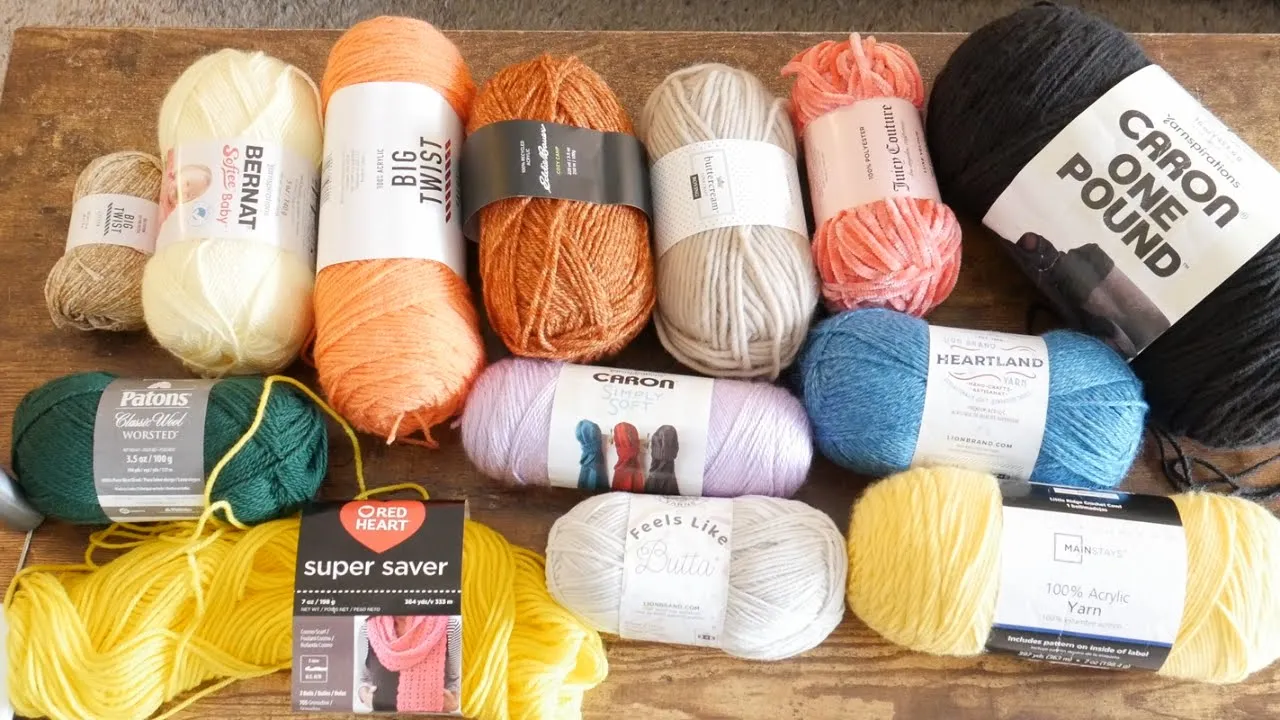
Factors to Consider When Choosing Yarn for Rugs
I always check durability first when picking yarn for rugs, since foot traffic can wear out weak fibers quickly.
Look for tightly spun yarns that resist pilling—my go-to test is rubbing a sample between my fingers to see if it sheds.
Washability matters a lot; I prefer machine-washable options like cotton for kitchen rugs that might get spills.
Think about where the rug goes—if it's a high-moisture spot, absorbent cotton beats wool, which can hold odors if not cleaned right.
Fiber content is key: natural ones like wool feel luxurious, but synthetics like acrylic are easier on the wallet for beginners.
I mix blends often, like wool-acrylic, to get warmth without the full cost.
Yarn weight? Go bulky or super bulky for rugs; it builds density fast, perfect for stash-busting those odd skeins.
Ply counts too—multi-ply yarns hold up better on floors than single-ply, which can twist apart.
Budget-wise, I calculate yards needed upfront: a 3x5 foot crochet rug might take 2,000 yards of bulky yarn, so acrylic at $5 per skein keeps it under $50.
Availability is practical; I shop at Joann or online at Yarnspirations for reliable stock.
For eco-conscious choices, I reach for recycled cotton or organic wool—brands like Lion Brand's Re-Up are my 2025 favorites for reducing waste.
Texture underfoot should be comfy; avoid scratchy jute for bedrooms, but it's fine for entryways.
I test for softness by walking on a swatch barefoot.
Colorfastness prevents fading; I always wash a sample to check dye bleed, especially with vibrant acrylics.
Aesthetics let you get creative—wide color ranges in cottons like Paintbox Yarns make patterning fun.
Safety tip: add a non-slip backing to any rug yarn; I use rug grippers from Amazon to prevent slips.
You can find latex sprays at craft stores for DIY backing.
Best Yarns by Rug-Making Technique
I focus mostly on crochet rugs here because that's my jam, but I'll touch on other techniques too since folks often mix methods or get curious.
Crochet Rugs
My absolute favorite for crochet rugs is 100% cotton like Lily Sugar 'n Cream or the cones for bigger projects—it washes like a dream and holds up in kitchens or bathrooms without getting funky.
For a super quick stash-busting win, I grab recycled T-shirt yarn like Hoooked Zpagetti; it's thick, sustainable, and gives that plush feel without buying new stuff.
Wool blends shine when I want something cozy—Lion Brand Wool-Ease Thick & Quick is my 2025 go-to because it's super bulky, soft underfoot, and the acrylic makes it machine-washable without full wool drama.
Bernat Maker Home Dec, a cotton-nylon tube yarn, works great for dense, modern-looking rugs that lay flat.
Acrylic options like Lion Brand Hometown or Cascade Pacific Bulky suit beginners perfectly—affordable, vibrant colors, and no pilling worries if you crochet tight.
I always use a big hook, 9mm to 15mm, to keep stitches dense and the rug sturdy.
Don't worry if your first one curls a bit; block it or add a border, and it'll settle.
Here's a quick pros/cons table from my own trials:
| Yarn Type | Pros | Cons |
|---|---|---|
| Cotton (e.g., Lily Sugar 'n Cream) | Absorbent, machine-washable, great definition | Heavy for large rugs, pricier in bulk |
| T-Shirt Yarn (e.g., Hoooked Zpagetti) | Eco-friendly, super thick, comfy | Colors can vary, twists sometimes |
| Wool Blends (e.g., Wool-Ease Thick & Quick) | Warm, resilient, quick to work up | Gentle wash only, higher cost |
| Acrylic Blends (e.g., Hometown) | Budget-friendly, bright colors, easy care | Can pill in super high traffic |
Tufting Rugs
Wool tops the list for tufted floor rugs—100% New Zealand wool from brands like Tuft the World or Wools of New Zealand holds shape best and shears cleanly for details.
Eco-cotton or recycled cotton works for softer wall hangings; it's sustainable and feels nice, but skip it for heavy foot traffic.
Acrylic is fine for practice or budget pieces, but it collapses over time on floors—I've seen tufters regret it after a year.
Use 2-3 strands of worsted or aran weight to fill the gun properly.
Rug Hooking
Worsted to bulky wool rules here—Briggs & Little or Oxford Rug Wool are classics because they're tightly plied and don't slip.
I love adding alpaca blends for texture when I dabble.
Expect about 4 oz per square foot.
Plied yarns beat single-ply for floor durability every time.
Weaving and Knitting Rugs
Coarse rug wool or cotton warp yarns hold up best for weaving—check suppliers like The Woolery.
For knitted rugs, tough acrylics like Red Heart Super Saver doubled up work, or cotton for absorbency.
I usually crochet over cord for structure instead of plain knitting.
Popular Yarn Types: In-Depth Pros, Cons, and Uses
I reach for wool most when I want a rug that truly lasts on the floor—it's my top pick for high-traffic spots because it bounces back from footsteps better than anything else.
Pure wool, especially New Zealand wool like from Wools of New Zealand or Tuft the World brands, repels dirt naturally and feels warm underfoot.
It does cost more, and I always hand-wash or spot-clean mine gently to avoid shrinking.
Cotton comes next in my stash for rugs—Lily Sugar 'n Cream cones are a staple because they're fully machine-washable and absorb spills without fuss.
I use cotton for bathroom or kitchen mats where moisture hits often.
It gets heavy when wet, though, and doesn't cushion quite like wool.
Acrylic fills my beginner projects—Lion Brand Hometown or Cascade Pacific Bulky give vibrant colors and easy care at half the price.
They're perfect for quick wins when you're testing a pattern.
They pill faster under heavy use, so I save acrylic for low-traffic decor rugs.
T-shirt yarn is my ultimate stash-buster—Hoooked Zpagetti turns old tees into thick, eco-friendly strands that crochet up plush and sustainable.
I love how it lays flat without curling much.
Colors vary batch to batch, and it can twist while you work.
Jute adds that rustic vibe for entryways, but I skip it for barefoot areas because it's too scratchy.
Here's my tried-and-true comparison table based on rugs I've made over the years:
| Yarn Type | Durability | Cost | Washability | Best For | My Notes |
|---|---|---|---|---|---|
| Wool (e.g., New Zealand or Wool-Ease Thick & Quick) | Highest | High | Gentle/Spot | High-traffic floor rugs, tufting | Resilient, warm, dirt-repellent |
| Cotton (e.g., Lily Sugar 'n Cream, Bernat Maker) | Medium-High | Medium | Machine | Absorbent mats, kitchens/baths | Great definition, hypoallergenic |
| Acrylic (e.g., Hometown, Pacific Bulky) | Medium | Low | Machine | Budget rugs, beginners, decor | Bright colors, but pills over time |
| T-Shirt (e.g., Hoooked Zpagetti) | Medium | Low-Medium | Machine | Eco projects, quick thick rugs | Sustainable, plush feel |
| Jute | High | Low | Spot-clean | Entryways, decorative | Tough but rough on feet |
Blends like wool-acrylic give you the best of both—durability with easier care.
I stock up on those for family rugs that need to handle kids and pets.
Polyester pops up in some tube yarns, but I avoid pure polyester for floors since it feels less natural.
Pick what fits your life—if you're after longevity, splurge on wool; for fast and fun, grab cotton or acrylic.
You really can't go wrong starting simple.
Tips and Best Practices
I always calculate yarn needs before starting—a 3x5 foot dense crochet rug eats about 2,000-3,000 yards of bulky yarn, depending on your stitch.
Add 20% extra to be safe; nothing kills momentum like running out mid-row.
Shop sales at Michaels, Joann, or online at Yarnspirations and LoveCrafts—they stock reliable bulky options year-round.
I snag secondhand cones on eBay for stash-busting deals.
Use tight stitches like single or half-double crochet to keep the rug dense and sturdy.
Big hooks, 10mm and up, make it go faster and help it lay flat.
Test a swatch first—crochet a 6-inch square, walk on it, wash it, and see how it holds.
Add non-slip backing right away; I glue or sew rug gripper fabric from Amazon to the back.
It prevents slides on hardwood.
Vacuum weekly and spot-clean spills immediately—blot, don't rub.
For wool, professional cleaning every few years keeps it fresh.
Beginners, start small with an acrylic doormat; it's forgiving and gives you a quick win.
Common slip-up I see: using thin worsted yarn—it stretches and wears out fast.
Go chunky from the start.
Don't forget sunlight—rotate the rug occasionally to prevent uneven fading.
Sustainability tip: recycled cotton or T-shirt yarn reduces waste, and I feel good using up scraps.
Mix fibers if you want—hold cotton with acrylic for extra strength.
Your rug will turn out amazing no matter what, so grab that hook and dive in.
Conclusion
I've shared everything from my favorite yarns to practical tips, and it all boils down to this: wool and cotton still reign supreme for quality rugs that last years on the floor.
Wool gives that unbeatable resilience and warmth—perfect for living rooms where everyone gathers.
Cotton shines in spots that need frequent washing, like kitchens or baths.
Acrylic opens the door for beginners with its low cost and easy care; it's how I started many of my quick-win projects.
Tailor your choice to the technique and spot—crochet loves thick cotton or T-shirt yarn, while tufting thrives on sturdy wool.
Don't overthink it; grab what you have in your stash first and make a small mat to test.
Experimenting is half the fun—mix cotton with acrylic strands for extra strength, or add wool for plushness.
Your rug doesn't have to be perfect; those little quirks make it yours.
I can't wait to see what you create—tag me if you share it online!
Start with a simple round pattern using bulky yarn; you'll have a finished piece in an evening.
Investing in good yarn pays off with a rug that becomes a family favorite for years.
Happy hooking, friends—you've got this!

The Author
I'm Joanna T. Grey. I've been designing crochet patterns for over a decade, and I focus on modern, wearable pieces with clear, tested instructions. Every pattern here is written so you actually understand the why behind each step—not just what to do. Even if you're new or experienced, you'll find practical guidance and designs that work.


