
Best Yarn Choices for Sweaters
Hey friend, grab your favorite mug of tea and settle in with me here on the couch—I've got some cozy crochet wisdom to share about sweaters.
I've crocheted dozens of sweaters over the years, and nothing beats that moment when you slip into one made with yarn that feels just right against your skin.
You know, the perfect yarn turns a simple project into something you wear all season long, whether it's a quick win for beginners or a stash-busting adventure using what you've got on hand.
Don't stress if you're new to this—mistakes like uneven stitches happen to all of us, and they add character to your piece.
In this post, we'll dive into what makes yarn great for sweaters, from fiber choices to practical tips, all based on real crocheter experiences and recommendations.
By the end, you'll feel confident picking yarn for your next sweater project, maybe even starting one tonight.
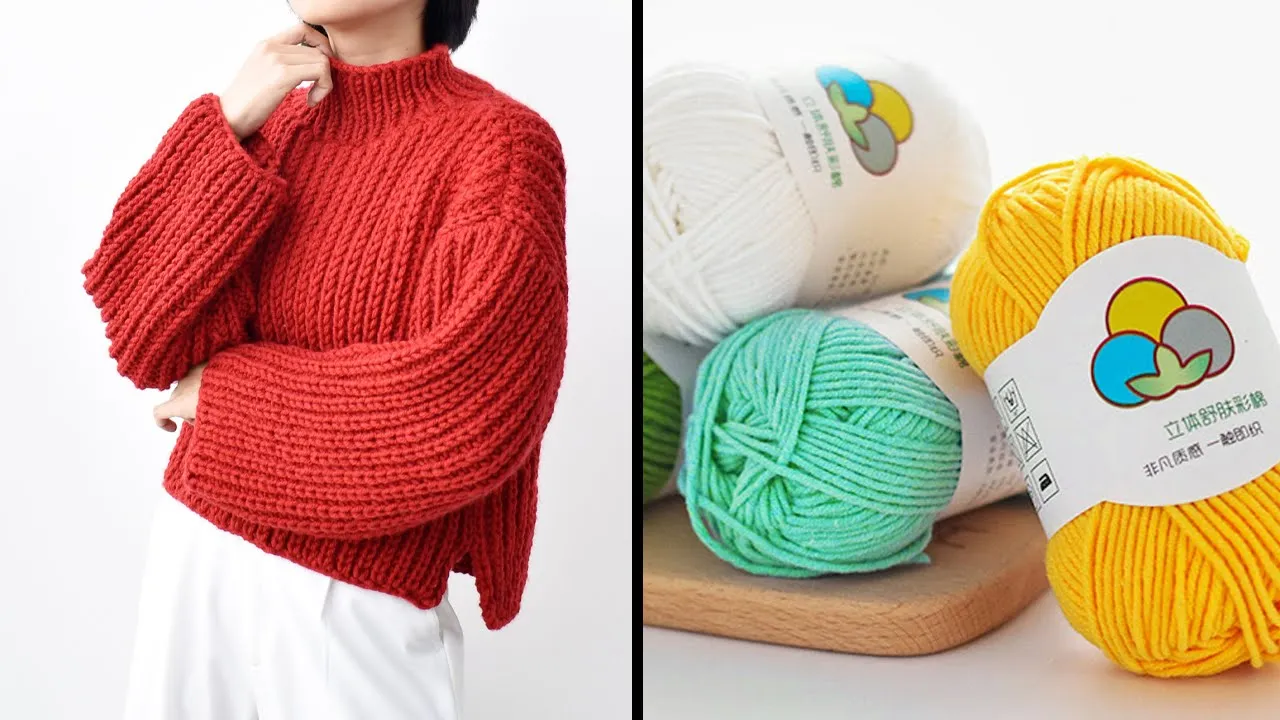
Factors to Consider When Choosing Yarn for Sweaters
Let's chat about your budget first, because I've learned that great sweaters don't have to break the bank.
Acrylic yarns keep costs low, often under $5 per skein, and they're perfect for testing patterns without worry.
On the flip side, premium options like merino wool might run $15-20 per skein, but they offer unmatched softness for everyday wear.
I always encourage beginners to start affordable—remember, your first sweater is about learning, not perfection.
Next up, think about how you'll care for your finished sweater, since nobody wants a project that shrinks in the wash.
Machine-washable yarns like acrylic or cotton blends save time and hassle, letting you toss them in without fear.
Pure wools often need hand washing, but superwash varieties make life easier for busy crocheters.
If allergies are a concern, I've got you covered—skip itchy wools and go for hypoallergenic acrylics or plant fibers.
Acrylic is my go-to for sensitive skin, as it's soft and won't trigger reactions like some animal fibers might.
Merino wool, though, is surprisingly gentle for many folks, so test a small swatch if you're unsure.
Seasonality plays a big role too, and I love matching yarn to the weather for wearable results.
For spring or summer sweaters, lightweight cotton or bamboo keeps things breathable and cool.
Come fall, wool blends provide that cozy warmth without overheating indoors.
Finally, consider elasticity and how the yarn drapes, because it affects your sweater's fit and style.
Wools stretch beautifully for fitted designs, holding shape through wear and washes.
Stiffer cottons work well for structured pieces, but add a bit of blend for better give if needed.
I always say, swatch first—it's a quick win that saves headaches later.
Yarn Fiber Types: Pros and Cons
I’ve crocheted sweaters in every fiber under the sun, and let me tell you—wool and its blends still steal my heart for most projects.
Wool delivers unbeatable warmth, breathability, and natural elasticity that keeps your sweater fitting perfectly wear after wear.
Merino wool stands out as the softest option, rarely itchy, and it wicks moisture like a champ—ideal for cozy winter cardigans that don’t make you sweat indoors.
On the downside, pure wool can felt if you’re not careful with washing, and it costs more than synthetics.
Superwash merino fixes the shrinking issue, making it machine-washable while keeping that luxurious feel.
Acrylic has saved many of my quick-win projects, especially when I’m stash-busting or crocheting for kids who spill everything.
It’s affordable (often $4-6 per skein), completely hypoallergenic, and toss-it-in-the-washer tough.
Modern premium acrylics like Lion Brand Heartland or Premier Anti-Pilling Everyday feel surprisingly soft and drape better than the scratchy stuff from years ago.
The trade-off? It’s less breathable than wool, so it can feel stuffy, and lower-end versions pill faster.
Cotton and plant-based fibers shine for lightweight spring or summer sweaters—I love how cool and breathable they feel.
Modern cottons are much softer and lighter than older versions, with great stitch definition for textured designs.
Bamboo blends add silky drape and natural antibacterial properties.
They’re fully machine-washable and vegan-friendly.
Pure cotton lacks elasticity, so sweaters can stretch out over time or feel heavy when wet—adding a bit of acrylic or wool in blends helps a ton.
Blends give you the best of both worlds, and I reach for them constantly.
A wool-acrylic mix offers warmth plus easy care; cotton-acrylic adds breathability without sagging.
My current favorite stash-buster is a 50/50 wool-cotton like Hobbii Happy Place—it’s soft, lightweight, and resists pilling beautifully.
Recommended Yarn Weights for Sweaters
Worsted weight (category 4) remains my absolute go-to for most crochet sweaters—it’s versatile, shows stitches clearly, and creates cozy fabric without too much bulk.
DK weight (category 3) works perfectly for lighter transitional pieces or beginners wanting faster progress and softer drape.
Many premium acrylics, cottons, and merino blends come in DK, making it forgiving and quick.
Aran weight sits a touch heavier for textured cables or extra-warm pullovers—wool blends excel here for that classic cozy look.
I steer clear of bulky yarns for full sweaters unless it’s an oversized quick-win cardigan; crochet eats yarn fast, and super-bulky can turn stiff quickly.
Always swatch your chosen weight—gauge makes or breaks the fit, and a little test square saves frogging later.
Don’t worry if your first swatch is off; we’ve all been there, and adjusting is part of the fun.
Top Recommended Yarns for Sweaters
I've crocheted more sweaters than I can count, and these are the ones I keep reaching for—or recommending to friends who message me at midnight panicking about yarn choices.
Premier Anti-Pilling Everyday Worsted tops my list for affordable everyday sweaters. It's 100% acrylic with special fiber that truly resists pilling even after dozens of washes, stays super soft, and costs around $4-6 per skein.
Crocheters rave about how their cardigans and pullovers still look brand new years later.
Lion Brand Basic Stitch Anti-Pilling comes right behind it. This premium acrylic feels smooth while you work, has excellent stitch definition, and comes in heaps of solids plus some fun marls and tweeds.
I used it for a beginner's oversized cardigan last winter and it washed like a dream—no pills, no fading.
Hobbii Happy Place has become my current obsession for stash-busting. It's a 50% wool / 50% cotton blend that's lightweight, ultra-soft, pill-resistant, and perfect for transitional seasons.
A full adult sweater runs about $40-50 total, and the colors are gorgeous.
WeCrochet Galileo (now from Knit Picks) is my budget merino pick. 50% merino wool and 50% bamboo viscose gives beautiful drape and shine, plus that next-to-skin softness without itch.
It's sport weight, so it works up into lighter sweaters that layer perfectly.
Lion Brand Truboo shines for warm-weather crochet sweaters. This 100% bamboo yarn feels silky cool, drapes like a dream, and comes in over 30 colors for around $6-7 per skein.
I made a sleeveless summer top with it and wear it constantly.
Paintbox Yarns Simply DK or Worsted offers incredible value if you love color options. These anti-pilling acrylics are soft, come in huge palettes, and you can buy multi-packs perfect for sweaters without dye lot worries.
They're my quick-win choice when I want something reliable and bright.
All these hold up beautifully in real wear—I've tested most myself, and the crochet community backs them up with thousands of finished sweater photos.
Pick based on your budget and season, grab enough for your size plus a little extra, and you'll end up with a sweater you'll actually reach for.
Tips for Beginners
You don't need fancy yarn to make your first sweater amazing, so start simple and forgiving.
DK or worsted weight acrylic blends like Premier Everyday or Paintbox give you room to learn without stressing over every stitch.
They're affordable, so if you frog a sleeve three times (we've all done it), no big deal.
Always crochet a gauge swatch—it's the quickest win to ensure your sweater fits instead of turning into a crop top or tent.
Wet block that swatch too, so you see how the yarn behaves after washing.
Don't panic over small mistakes; crochet fabric is dense and often hides them, especially in textured stitches.
Your first sweater might not be perfect, but you'll wear it proudly because you made it.
Join a crochet group or hop on Reddit's r/crochet—sharing progress photos keeps you motivated, and folks there love helping beginners.
Grab a simple top-down raglan pattern (tons of free ones out there), pick one of the yarns above, and dive in.
You've got this—can't wait to hear about your finished cozy creation!
Conclusion
There you have it, friend—after all that yarn chat, the best choice always comes down to what feels right for you and your project.
Wool blends deliver that cozy warmth and beautiful drape for winter wear, while acrylics like Premier Anti-Pilling Everyday and Lion Brand Basic Stitch give easy care and lasting softness without breaking the bank.
For lighter seasons, bamboo options like Lion Brand Truboo or cotton-wool mixes such as Hobbii Happy Place keep things breathable and pill-resistant.
I've seen these hold up beautifully in real crocheter projects through 2025, with thousands of finished sweaters shared online looking fresh wash after wash.
No single yarn wins every time—it's about balancing your needs for comfort, durability, and fun while crocheting.
Pick one from our list, grab a simple pattern, and start that quick-win sweater you've been dreaming about.
Mistakes? Frog and try again—your handmade piece will be perfect because you made it.
Drop a comment below with your yarn choice or finished project pics—I'd love to cheer you on and maybe get inspired for my next stash-buster!
Happy crocheting, and stay cozy out there. 🧶

The Author
I'm Joanna T. Grey. I've been designing crochet patterns for over a decade, and I focus on modern, wearable pieces with clear, tested instructions. Every pattern here is written so you actually understand the why behind each step—not just what to do. Even if you're new or experienced, you'll find practical guidance and designs that work.


