
Best Yarn Winders for Crocheters
I remember my first tangled skein like it was yesterday—it turned a relaxing crochet session into a frustrating mess. You know the feeling, right? That's why I'm excited to share my take on the best yarn winders out there. These tools have saved me countless hours, especially on quick win projects where I just want to dive in without the hassle.
In this post, I'll guide you through options based on real reviews from sites like Interweave and Heart Hook Home, plus insights from crochet forums where folks like us chat about what works.
Your perfect winder depends on your budget, the yarns you love, and how often you crochet. For me, standouts like the Stanwood and Olikraft make stash-busting a breeze, turning messy hanks into neat cakes ready for your next hat or scarf.
If you're a beginner, don't sweat it if your first wind isn't perfect—mistakes are just part of the fun, and you'll get the hang of it quickly.
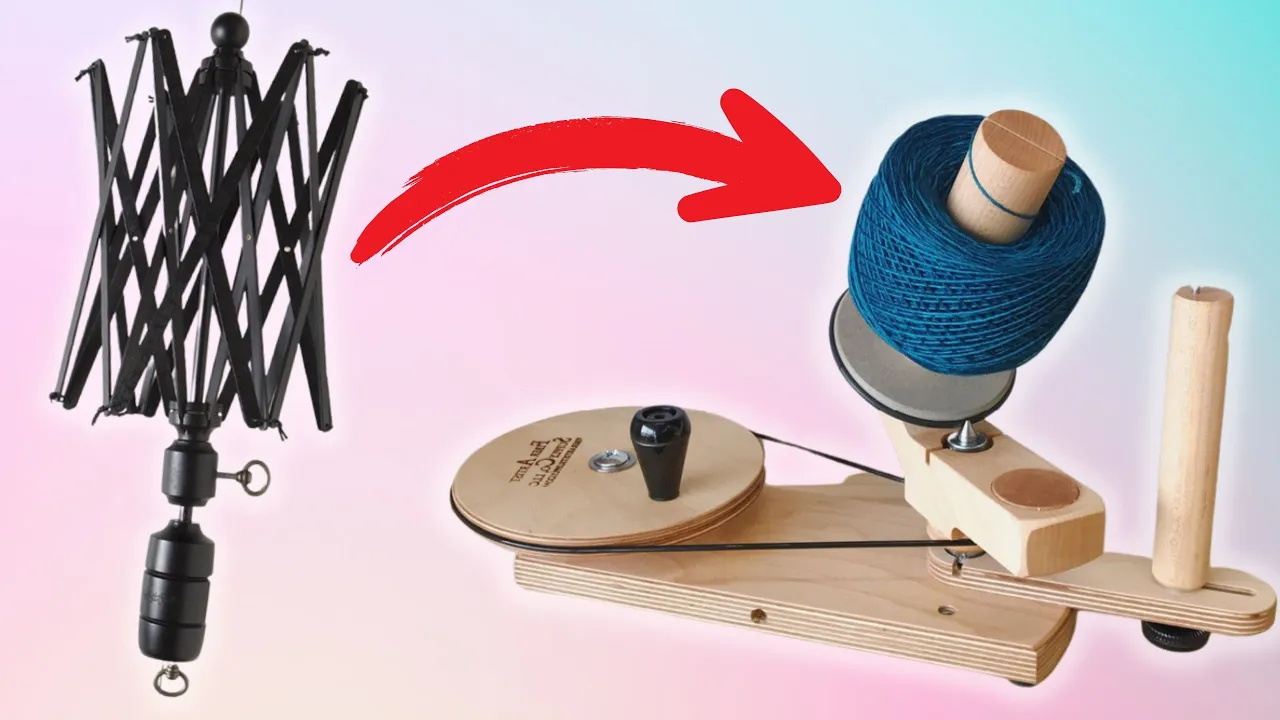
What is a Yarn Winder and Why Use One?
I've been crocheting for years, and a yarn winder changed everything by turning those looped hanks into tidy, center-pull cakes that feed out smoothly without knots.
You get to skip the tangles that slow you down mid-project, keeping your cozy crochet time uninterrupted.
It helps organize your stash too, so you can see what you have at a glance and mix scraps for those quick win color-block coasters I adore.
Plus, it's a time-saver for prepping yarn ahead, letting you focus on the stitches you love instead of wrestling with skeins.
Pair it with a swift to hold the hank steady, and you're set for efficient winding every time—trust me, it's worth it for any crocheter building their toolkit.
Factors to Consider When Choosing a Yarn Winder
I've tried a few winders over the years, and trust me, picking the right one makes stash-busting so much more enjoyable.
Go manual if you love the hands-on feel and want something portable that gives you full control over tension—perfect for those quick win scrap projects.
Electric models shine when you're winding lots of yarn at once, like prepping for a big blanket, since they save your arms and crank out cakes fast.
Think about capacity too: I stick with 10-ounce options now because they handle full hanks without stopping halfway.
Metal builds last forever—my Stanwood has been going strong for years, even with chunky yarns.
Wooden ones feel premium and run super smooth, but they cost more.
Budget matters: start under $50 if you're testing the waters, but invest $60-100 for something reliable that won't frustrate you.
Always pair it with a swift for hanks; otherwise, you'll fight tangles.
Check reviews for real-user feedback on durability—cheap plastic gears wear out quick.
For beginners, don't worry if your tension isn't perfect at first; practice on scrap yarn and you'll nail neat cakes in no time.
Types of Yarn Winders
Most of us love manual hand-operated winders—they're affordable, quiet, and let you feel every turn, which helps with even cakes on tricky yarns.
I reach for mine on most days because it's simple and travels easy in my project bag.
Electric winders are game-changers for high-volume crocheters; just thread the yarn, hit the button, and watch it go—great for hands-free operation while you sip tea.
Models like the Ashford or updated Caydo/Etcokei get rave reviews in 2025 for smooth speeds and large capacities.
Hand-held options like a nostepinne work if you want zero setup—just wrap by hand for small balls, though it's slower for big skeins.
Heavy-duty jumbo manual ones, like the Stanwood 10-oz metal or Olikraft, tackle bulky yarns and big hanks without breaking a sweat.
Wooden premium winders from Fiber Artist Supply offer that artisan vibe with buttery-smooth bearings.
Whatever type you pick, start simple if you're new—mistakes just mean more practice, and soon you'll be winding like a pro.
Top Yarn Winder Recommendations
I've wound hundreds of skeins over the years, and these are the ones I reach for most when stash-busting for quick win projects like granny squares or amigurumi.
Budget-Friendly Picks (Under $50)
The Knit Picks Yarn Ball Winder holds up to 3.5-4 ounces and works great for beginners on lighter yarns.
It clamps securely, winds smooth center-pull cakes, and costs around $30—perfect if you're just starting and don't want to spend much.
Many crocheters love it for everyday use, though you might split bigger worsted skeins into two cakes.
Don't worry if your first few cakes look wonky; practice makes them neat fast.
Mid-Range Favorites ($50-$100)
My absolute go-to is the Stanwood Needlecraft Large Metal 10 oz Winder—it's heavy-duty metal, handles bulky yarns without complaint, and has lasted me years with zero issues.
Its simply the beast that winds perfect cakes every time.
The Olikraft Large Capacity (up to 16 oz) is another solid metal option I use for huge hanks—smooth gears, sturdy build, and great value around $60.
Both make beautiful, stable cakes that pull cleanly from the center.
Electric Options
If your hands tire easily, try the Caydo/Etcokei Electric Winder—adjustable speed, quiet, and winds 10 oz cakes hands-free.
I praise its strong tension and tangle-free results everyday.
The Ashford Electric remains the premium choice for serious volume.
Premium Splurges
For artisan vibes, the Maple Jumbo from Fiber Artist Supply winds smoothly with wooden craftsmanship—worth it if you wind often.
Start with a mid-range manual like Stanwood if you're unsure—you won't regret it.
Yarn Winder Comparison: Side-by-Side Breakdown of My Favorites
You asked for a direct comparison, so I've pulled together the top models I love and use for stash-busting—Knit Picks, Stanwood Needlecraft 10 oz, Olikraft Large Capacity, and the Etcokei/Caydo Electric—based on real 2025 reviews and my own experience winding countless skeins.
Here's a quick table to scan the key differences:
| Model | Type | Capacity | Material | Approx. Price (2025) | Best For | Pros | Cons |
|---|---|---|---|---|---|---|---|
| Knit Picks | Manual | 4 oz | Mostly plastic | $25-35 | Beginners, small skeins | Affordable, compact, easy setup | Smaller cakes, may wear with heavy use |
| Stanwood Needlecraft | Manual | 10 oz | Heavy metal | $70-90 | Most crocheters, everyday use | Super durable, smooth cakes, lasts years | Heavier, higher price |
| Olikraft | Manual | 10-16 oz | Metal | $50-70 | Big hanks, bulky yarns | Huge capacity, stable, great value | Cakes slightly squoval, occasional gear issues |
| Etcokei/Caydo Electric | Electric | 10 oz | Plastic/metal | $80-120 | High volume, tired hands | Hands-free, adjustable speed, quiet | Needs power, monitor tension manually |
The Stanwood wins most "best overall" mentions in 2025 reviews—crocheters rave about its reliability and perfect center-pull cakes that never tangle mid-project.
I grab mine for 90% of my winding because it handles everything from fingering to chunky without fuss.
The Olikraft shines if you buy big hanks or jumbo yarn sales—those extra-large cakes save time on blankets.
Many folks upgrade from cheaper ones to either Stanwood or Olikraft and never look back.
For electric, the Etcokei (optimized by Caydo) gets strong praise for speed and stability in recent reviews—perfect when your arms need a break during marathon prep sessions.
If you're just starting, try the Knit Picks—no big commitment.
For serious stash-busting quick wins, go Stanwood or Olikraft—you'll wind faster and enjoy neater cakes every time.
Don't stress over choosing perfectly; any of these beats tangled skeins, and you'll get better cakes with practice. Happy winding!
How to Use a Yarn Winder
Clamp your winder firmly to a table edge—tighten it well so it doesn't wobble mid-wind.
Thread the yarn end through the guide arm, secure it in the slot on the cone, and start cranking slowly at first.
Keep gentle, even tension with your hand as it feeds from the swift or skein—too loose makes floppy cakes, too tight stretches the yarn.
Turn steadily; speed comes with practice.
When the cake is done, slip it off gently and tuck the ends.
Common fixes: If it gets uneven, pause and redistribute the yarn layers.
Clean fluff from gears occasionally.
Pair with a swift for hanks—it's a game-changer for tangle-free winding.
Beginners, your first cake might be quirky, but by the third you'll be cranking out pros.
Grab some scrap yarn and play—you'll love how organized your stash becomes.
Conclusion
I've shared my favorites here, but the Stanwood Needlecraft 10 oz metal winder still tops my list in late 2025—it's durable, handles bulky yarns effortlessly, and creates those perfect center-pull cakes I rely on for every quick win project.
The Olikraft large capacity runs a close second for bigger hanks, and if your hands need a break, the Etcokei/Caydo electric models deliver smooth, hands-free winding.
Pick based on how much you wind and your yarn types—if you're like me and love stash-busting scraps into custom cakes, start with a solid manual mid-range option.
A swift makes everything smoother, especially for hanks.
Beginners, go easy on yourself—your cakes will get prettier with each try, and soon your stash will thank you.
Pleae, always check current prices and recent reviews on Amazon or direct sites, as options evolve.
Happy winding, friends—now grab that yarn and start your next cozy project!

The Author
I'm Joanna T. Grey. I've been designing crochet patterns for over a decade, and I focus on modern, wearable pieces with clear, tested instructions. Every pattern here is written so you actually understand the why behind each step—not just what to do. Even if you're new or experienced, you'll find practical guidance and designs that work.


