
Best Yarn Choices for Plushies: My Top Picks
I've been crocheting plushies for years, and nothing beats the joy of handing a squishy stuffed toy to a friend or kid who lights up with a hug.
Plushies are those adorable stuffed animals or figures, often made with crochet techniques like amigurumi, designed for maximum softness and playtime durability.
I always tell beginners, if your first plushie comes out lopsided, that's just extra character—don't sweat the small stuff.
When picking yarn, I focus on how it transforms a simple pattern into something huggable, and lately, chenille and velvet yarns have surged in popularity for their instant plush feel, as seen in countless Reddit threads and reviews.
This choice directly impacts how easy your project is to stitch and how well it holds up to daily squeezes.
For quick wins, I love using yarns that let you finish a plushie in an afternoon, turning stash scraps into treasures.
Key Factors in Choosing Yarn for Plushies
I prioritize softness first because who wants a prickly plushie? Chenille yarns, like those chunky varieties tested in 2023 reviews, deliver that ultra-cozy texture without much effort.
You should aim for yarns that feel plush right off the hook, making your toys irresistible to touch.
Durability comes next—I test yarns to ensure they don't pill or stretch after a few washes, and cotton shines here with its sturdy hold, as noted in guides from 2024.
For beginners, pick something that maintains shape so your plushie doesn't flop over time. Stitch definition is crucial for detailed designs; I find cotton provides clear, crisp loops that make eyes and features pop without frustration.
Yarn weight matters too—chunky options speed up large plushies, while finer ones suit tiny details, perfect for stash-busting those odd skeins.
Budget plays a role; acrylic is my go-to for affordable versatility, available widely and soft enough for most projects.
Accessibility is key—look for yarns at local stores or online giants like Amazon for quick delivery.
Finally, consider hypoallergenic qualities and washability; I always check labels to avoid itchiness, and eco-friendly options like recycled blends add that feel-good factor to your crafting.
Types of Yarn Recommended for Plushies
I reach for chenille yarn first when I want that ultimate squishy, velvety plushie that begs for hugs.
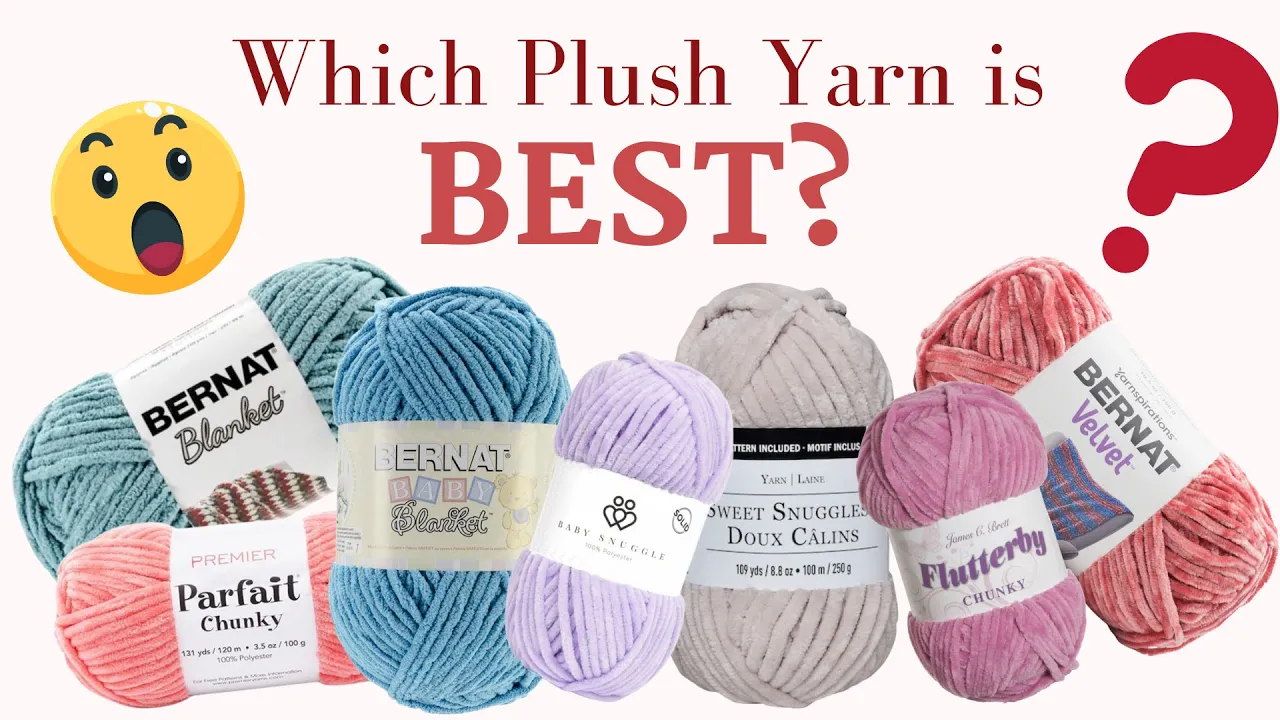
Premier Parfait Chunky tops my list—it's incredibly soft, holds stitch definition better than most chenilles, sheds very little, and comes in dozens of colors.
You get luxurious texture perfect for cuddly toys, but it can hide stitches and shed a bit on cheaper brands—go premium and you'll avoid most frustration.
Beginners, don't worry if you lose a stitch now and then; just feel your way and keep going.
Velvet or blanket yarn gives massive, fast-growing plushies that feel like store-bought stuffies.
Bernat Blanket and Bernat Velvet lead the pack in 2025 community favorites for their buttery softness and quick projects—one skein often finishes a good-sized toy.
I love how fast these work up—ideal for quick wins when your stash calls.
They create bigger plushies naturally, and stitches hide easily, so they're forgiving if your tension varies.
Cotton yarn delivers sturdy, detailed plushies with crystal-clear stitches that hold shape forever.
Paintbox Yarns Cotton DK and Lion Brand 24/7 Cotton rank highest in recent guides for smooth feel, no splitting, and vibrant colors that don't fade after washes.
You get durable toys great for kids' play, plus excellent stitch definition for faces and features.
It's less plush than chenille, but perfect when you want crisp details over maximum fluff.
Acrylic yarn offers budget-friendly versatility that's soft and widely available.
Loops & Threads Impeccable and Big Twist from Joann shine in 2025 for minimal pilling, good colors, and easy care—machine wash without worry.
I grab it often for stash-busting because it's forgiving and comes in every shade imaginable.
It may pill over heavy use compared to cotton, but for most plushies it holds up beautifully.
Other options like wool blends work for natural softness, but skip them if allergies matter—stick to hypoallergenic synthetics or cotton instead.
Top Yarn Recommendations
Here are my current top picks based on hands-on community testing through 2025—I've used most myself or trusted friends have.
Best overall for plushness: Premier Parfait Chunky. Softest feel, least shedding, huge color range—my go-to for jumbo cuddles.
Best value chenille/velvet: Bernat Blanket or Velvet. Widely available at big stores, super bulky for fast finishes, around $10 per large skein.
Best for beginners with fuzzy yarn: Hobbii Baby Snuggle or Honey Bunny. Smooth glide, minimal frustration, gorgeous results every time.
Best cotton for details: Paintbox Yarns Cotton DK. Affordable, smooth, over 50 colors—perfect stitch definition without breaking the bank.
Best budget acrylic: Loops & Threads Impeccable (Michaels) or Big Twist (Joann). Soft, durable, endless colors for under $5 a skein.
Best for giant plushies: Loops & Threads Sweet Snuggles (jumbo weight at Michaels). Quick, squishy monsters in an afternoon.
Best premium cotton: Lion Brand 24/7 Cotton. Mercerized shine, super durable, washes like a dream.
For beginners I say start with Premier Parfait Chunky or Bernat Blanket—you'll get that wow factor fast and build confidence.
For detailed small toys, grab Paintbox Cotton.
Mix them in your stash; a chenille body with cotton face details often gives the best of both worlds.
Experiment with what you have on hand—your next favorite plushie might come from an unexpected skein.
Tips and Techniques for Using Plush Yarns
I grab chenille or velvet most days because those fuzzy yarns turn basic patterns into instant cuddle monsters—perfect for quick wins when you need a gift fast.
You lose sight of stitches easily with the fluff, so go up a hook size—try 5mm to 6mm even on bulky yarns for better control.
Beginners, skip the magic ring on chenille; chain 2 or 3 and work into the first chain instead—it closes cleaner without snapping the core thread.
I mark every round heavily with stitch markers or scrap yarn because counting by feel saves hours of frogging.
For sewing parts, leave long tails but reinforce with matching acrylic if it starts stripping—many of us do this trick for secure joins on velvet plushies.
Stuff firmly with polyfill right before closing; overstuff heads and bodies slightly so they stay squishy after hugs, but add it in small handfuls to avoid lumps.
Shedding happens with most chenilles—Premier Parfait and Hobbii Baby Snuggle shed less in recent reviews, while budget ones fluff more during work.
A quick machine wash on gentle before gifting settles the fibers and reduces future shedding.
Scale patterns up with chunky yarn for giant plushies or down with cotton accents for faces—mixing clears details on fuzzy bodies.
Try simple free patterns first, like jumbo bees or bears; they finish in an evening and bust stash beautifully.
Mistakes hide well in plush yarn, so relax and enjoy the process—your plushie will still turn out adorably huggable.
Conclusion
Chenille like Premier Parfait Chunky or Hobbii Baby Snuggle wins for ultimate plushness and quick cuddly results in 2025 community favorites.
Cotton such as Paintbox Cotton DK or Lion Brand 24/7 Cotton stays my reliable pick for detailed, long-lasting toys that hold every stitch crisp.
You can't go wrong starting with whatever calls from your stash—experiment freely because personal feel matters most.
Grab that skein you've been eyeing, hook up a quick plushie this weekend, and share your makes in the comments—I love seeing what you create!

The Author
I'm Joanna T. Grey. I've been designing crochet patterns for over a decade, and I focus on modern, wearable pieces with clear, tested instructions. Every pattern here is written so you actually understand the why behind each step—not just what to do. Even if you're new or experienced, you'll find practical guidance and designs that work.


