
Best Yarn Choices to Crocheting Scarves
I adore crocheting scarves since they're my go-to for quick wins that wrap up in a weekend. You can gift them, wear them yourself, or dive into your yarn stash to bust through those leftover skeins without much fuss.
Choosing the right yarn makes all the difference for warmth that hugs you right, a drape that flows nicely, and durability that lasts through washes.
I'll walk you through key factors, yarn types, my top 10 picks plus crocheting tips and budget ideas.
Factors to Consider When Choosing Yarn for a Crochet Scarf
Start with fiber content because it sets the tone for your project's feel and function. I always recommend natural fibers like wool or alpaca for breathable warmth in cold weather scarves.
Synthetic options such as acrylic keep costs low and handle machine washing easily, perfect if you're new and testing the waters.
Blends mix the best of both, giving you softness without sacrificing ease.
Don't stress if your first choice isn't perfect—mistakes in yarn selection teach you what works for your style.
Yarn weight matters next for how your scarf turns out.
I prefer worsted or aran weights for everyday versatility and a scarf that drapes well without being too stiff.
Go bulky or super bulky for fast projects that feel chunky and cozy, ideal for beginners wanting quick results.
DK or sport weights create lighter scarves, great for transitional seasons.
Softness keeps your neck happy, so pick non-itchy yarns like merino wool or soft acrylic blends, especially if skin sensitivity is an issue.
Durability comes from multi-ply yarns with tight twists that resist pilling after repeated wear. I test a small swatch by rubbing it to check for fuzz—it's a simple step that saves headaches later.
Care instructions should match your lifestyle; superwash wool or acrylic yarns wash in the machine and dry flat without felting.
Hand-wash only for luxury fibers, but they're worth it for special pieces.
Plan for 300 to 500 yards total, depending on length— one skein often suffices for self-striping bulky yarns, while worsted might need two or three.
Budget wisely with affordable picks under $5 per skein from brands like Red Heart, or splurge on $10-plus options like Malabrigo for hand-dyed beauty.
Availability counts too; check local stores or online for colors that pop, like variegated or ombre for effortless patterns.
Consider sustainability by choosing natural fibers from ethical sources, and always factor in allergies—skip wool if it irritates. You can mix yarn scraps for a unique, eco-friendly scarf that busts your stash brilliantly.
Types of Yarn for Crochet Scarves
I reach for acrylic yarns first when I want something reliable and kind to my wallet.
Acrylic stays affordable, comes in every color under the sun, and throws right into the washer and dryer without drama.
You get durability that holds up to daily wear, plus many modern versions feel buttery soft against the neck.
The downside shows up in less breathability compared to natural fibers, and some can pill or get static-y over time.
Wool yarns bring unbeatable insulation and that lovely elastic bounce that helps stitches pop.
Pure wool breathes, resists odors, and keeps you toasty even in damp cold.
Superwash treatments make many machine-washable now, which saves headaches.
Some wools feel scratchy at first, and non-superwash needs gentle hand washing—plus it costs more than acrylic.
Blended yarns give my absolute favorite balance for scarves.
Wool-acrylic mixes deliver warmth with easy care, or alpaca-wool adds fuzzy luxury without full delicacy.
Blends drape beautifully, resist pilling better than pure synthetics, and often land machine-washable.
You might lose a bit of pure wool's breathability or alpaca's ultimate softness.
Luxury fibers like alpaca, cashmere, or fine merino create those heirloom scarves that feel like a hug.
Alpaca ranks as the warmest by weight, and merino avoids itch entirely.
These shine in sustainable, ethical options too.
They run pricey, pill more easily if single-ply, and demand careful washing.
Chenille or velvet yarns add plush texture for extra-cozy scarves, while cotton works for lightweight spring versions.
I love pulling from my scrap stash for colorful striped scarves—perfect stash-busting that feels creative and waste-free.
Beginners, don't overthink it; grab what calls to you and start hooking—scarves forgive everything.
Top 10 Recommended Yarns for Crocheting Scarves
| Rank | Yarn Name/Brand | Fiber Type | Weight | Pros | Cons | Price Range (per skein) |
|---|---|---|---|---|---|---|
| 1 | Lion Brand Wool-Ease Thick & Quick | 80% Acrylic / 20% Wool | Super Bulky | Works up lightning fast, super warm, durable, machine-washable, tons of colors | Can pill with heavy wear | $8–12 |
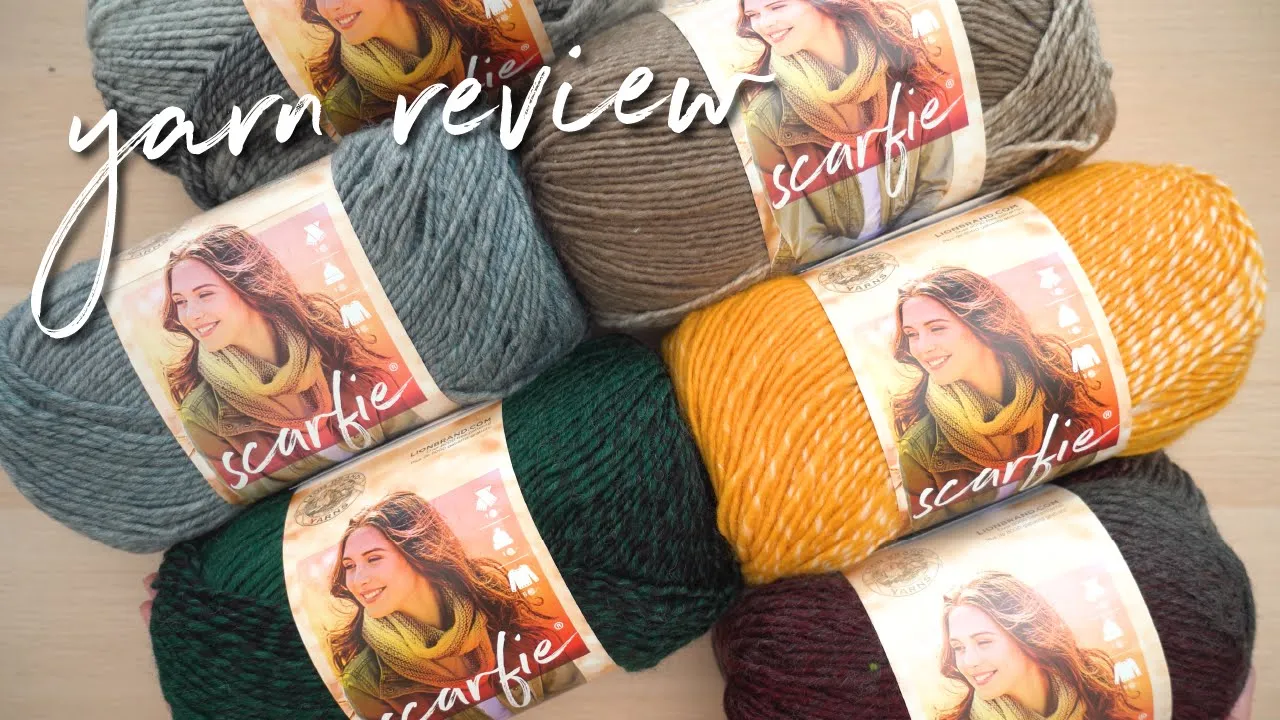
| 2 | Lion Brand Scarfie | 78% Acrylic / 22% Wool | Bulky | Beautiful gradual ombre, one skein per scarf, soft and cozy | Loose twist can split | $8–11 |
| 3 | Caron Simply Soft | 100% Acrylic | Worsted | Buttery soft, shiny drape, budget-friendly, huge skeins | Prone to splitting | $4–7 |
| 4 | Lion Brand Mandala | 100% Acrylic | Worsted | Self-striping cakes, surprisingly soft, great color changes | Colors can pool oddly | $6–9 |
| 5 | Malabrigo Mecha | 100% Superfine Merino Wool | Bulky | Hand-dyed vibrant colors, ultra-soft, excellent stitch definition | Expensive, hand wash only | $15–22 |
| 6 | Patons Classic Wool Worsted | 100% Wool | Worsted | Breathable, durable, classic feel | Hand wash, may itch for some | $7–10 |
| 7 | Bernat Blanket or Softee Chunky | 100% Polyester (chenille options) | Super Bulky | Plush velvet feel, quick projects | Less breathable, heavy | $9–13 |
| 8 | Cascade 220 Superwash | 100% Superwash Merino Wool | Worsted | Soft, machine-washable, solid colors | Initial color bleed possible | $12–16 |
| 9 | Berroco Ultra Alpaca | 50% Alpaca / 50% Wool | Worsted | Fuzzy warmth, sophisticated shades | Can split while working | $11–14 |
| 10 | Red Heart Super Saver Brushed | 100% Acrylic | Worsted | Extra soft brushed texture, affordable | Can look shaggy over time | $4–6 |
Lion Brand Wool-Ease Thick & Quick tops my quick-win list—pair it with simple double crochet rows and finish in an evening.
Scarfie saves you from weaving ends thanks to that one-skein ombre magic; just chain and go.
Caron Simply Soft shines in lacy or detailed stitches because it drapes like a dream.
Mandala turns basic stitches into colorful masterpieces without changing skeins.
Malabrigo Mecha treats you to luxury if you're gifting something special.
Don't worry if your first scarf isn't perfect—these yarns all forgive rookie mistakes beautifully.
Tips for Crocheting a Scarf with the Best Yarn
I always match the yarn to the pattern first—it's the secret to a scarf you actually love wearing.
Keep variegated or self-striping yarns simple with basic stitches like single crochet, half-double, or linen stitch so the colors shine without fighting the texture.
Solid smooth yarns handle cables, lace, or post stitches beautifully for that wow factor.
Bulky chenille begs for quick rows of double crochet to finish fast and feel plush.
Grab the hook size printed right on the yarn label—usually 6mm to 6.5mm for worsted, 8mm to 10mm for bulky.
Make a small swatch first, about 4x4 inches, to check your tension and see the drape in real life.
You want the fabric soft and flexible, not stiff or too loose.
Aim for 60 to 80 inches long for a classic scarf that wraps nicely—shorter for kids, longer for dramatic loops.
Infinity scarves need about 50 to 60 inches before joining.
Add fringe if you love boho vibes; it uses up scraps and hides any uneven ends.
Block your finished scarf by wetting it gently and laying flat to dry—this evens stitches and improves drape dramatically.
Follow the yarn care label exactly; most acrylics toss in the washer, superwash wools too, but hand-wash luxury ones.
Steam block lightly for wool blends if you're careful.
Beginners, start with worsted acrylic and a simple repeating row—scarves hide wobbles, and you'll gain confidence fast.
Pull from your stash for stripes or color blocks; it's free, fun, and true stash-busting magic.
Try an infinity cowl next if straight scarves feel too basic—same skills, modern look.
Choose natural ethical fibers when you can; they feel good on your skin and on your conscience.
Mistakes happen to everyone—rip back if you must, or call it a design feature and keep going.
Conclusion
The best yarn for your scarf comes down to what you need most—warmth, softness, quick finish, or easy care.
Any of these top picks will give you a beautiful result that feels personal.
Pick one that excites you today, grab your hook, and start chaining.
You'll have a cozy scarf ready sooner than you think.
Share your finished project with me in the comments—I love seeing what you create.
Happy hooking, friends—your next favorite scarf starts right now.

The Author
I'm Joanna T. Grey. I've been designing crochet patterns for over a decade, and I focus on modern, wearable pieces with clear, tested instructions. Every pattern here is written so you actually understand the why behind each step—not just what to do. Even if you're new or experienced, you'll find practical guidance and designs that work.


