
Best Raffia Yarn for Crochet
I've been crocheting with raffia yarn for years now, and let me tell you, it's transformed my summer projects into something truly special. You know those lightweight bags and hats that hold their shape perfectly? That's the magic of raffia. If you're just starting out, don't sweat the learning curve—everyone drops a stitch or two at first, and that's how we get better.
In this post, I'll share my favorite raffia yarns based on hands-on testing and what the crochet community loves most. We'll cover everything from what makes raffia tick to my top recommendations, all drawn from reliable sources like expert reviews and fellow crafters' experiences. My goal? Help you pick the best one for your next quick-win tote or stash-busting sun hat without wasting time or money.
Whether you're a beginner eyeing your first raffia project or a pro looking to upgrade, I've got you covered. Grab your hook, settle in with a cup of tea, and let's chat about why raffia might just become your new go-to fiber.
What is Raffia Yarn?
Let me start by saying raffia yarn comes from the leaves of the raffia palm tree, native to places like Madagascar and parts of Africa. It's harvested, dried, and spun into strands that we crafters adore for their natural vibe. If you're new to this, you'll notice it's stiffer than cotton or wool, which gives your finished pieces that structured look without needing extra support.
Not all raffia is purely natural, though—many options today are rayon-based synthetics that mimic the real thing but handle easier. For instance, brands like Eco Andaria use rayon for a smoother, more consistent texture that's less prone to splitting during crochet. I love how this blend keeps the eco-friendly appeal while making it beginner-friendly.
Traditionally, raffia has been used in basket weaving and hats in tropical regions for centuries, but us modern crocheters have adopted it for accessories that scream summer style. It's lightweight, water-resistant, and biodegradable in its natural form, which is a big win for sustainable crafting. Just remember, if you're working with the authentic stuff, it might need a quick soak to soften up—nothing a little patience can't handle.
One thing I always tell beginners: raffia can feel rustic and uneven at first, but that's part of its charm. Stick with it, and you'll create pieces that last through beach days and market runs without fading or fraying.
Benefits of Using Raffia Yarn for Crochet
I've fallen hard for raffia because it delivers durable, structured pieces that hold their shape beautifully without any extra stiffening. My market bags and sun hats stand up to daily use, beach trips, and even light rain—water-resistant properties mean they dry quickly and resist rot far better than cotton ever could.
The eco-friendly side really warms my heart too. True natural raffia is biodegradable and comes from renewable palm leaves, while the popular rayon/viscose versions (like the ones I reach for most) use plant-based cellulose and break down without harming the planet. You get that natural, matte look with a modern twist, and it feels good knowing your project isn't adding to landfill waste.
One of my favorite perks? Raffia gives lightweight yet sturdy results—perfect for summer accessories that don't weigh you down. It creates that crisp, professional finish with simple stitches like single crochet, and the subtle rustle as you work adds a little summer magic to the process.
Sure, it can feel stiff at first, especially cheaper paper versions, and it might cause a bit of hand fatigue if you're going marathon sessions. But here's the encouraging part: most beginners adapt within a few rows, and the payoff is huge. Your finished tote or hat will look store-bought (in the best way), and you'll beam with pride every time you use it.
If you're worried about mistakes, remember this: raffia forgives frogging really well—especially the good rayon types. You can unravel and reuse without much damage to the fiber. That's a quick-win win in my book!
Types of Raffia Yarn
I always tell friends there are three main types you'll encounter, and picking the right one saves so much frustration.
Natural raffia comes straight from raffia palm leaves (mostly Madagascar-sourced). It's the most authentic with its rustic texture, slight irregularities, and true eco-credentials—strong, durable, and fully biodegradable. The downside? Shorter strands mean lots of joins, and it can be pricier plus trickier for beginners due to uneven thickness.
Rayon/viscose raffia (often just called "raffia yarn" these days) is the sweet spot for most of us. Made from plant-based cellulose (wood pulp), it's longer, more consistent, softer to handle, and still biodegradable. Brands like Eco Andaria by Hamanaka (Japan) and ISPIE shine here—they're silky, water-resistant, hold stitches evenly, and even allow steam-ironing for perfect shaping. This is what I grab for reliable results without the hassle.
Paper raffia is the budget-friendly option, twisted from paper fibers or cellulose. It's affordable, comes in continuous lengths, and mimics the look well for simple projects. However, it tears more easily, feels stiffer initially, and doesn't handle moisture or frogging as gracefully—many crocheters (myself included) end up disappointed after trying cheap versions.
Blended or dyed variants exist across all types, giving you fun colors while keeping the core benefits. For crochet, I steer beginners toward rayon/viscose first—it's forgiving, gives gorgeous drape and structure, and turns quick projects into show-stoppers. Once you try a quality one, you'll wonder how you ever settled for anything else!
Factors to Consider When Choosing Raffia Yarn for Crochet
When I pick raffia yarn for a new project, I always start with material quality first because it makes the biggest difference in the final result. Go for strong, tear-resistant strands that stay clean along the edges without fraying—premium rayon/viscose versions (like the Japanese ones) hold up beautifully even after multiple frogging sessions.
Thickness and consistency come next on my checklist. Look for even width so your stitches look neat and professional; inconsistent strands lead to bumpy bags or wonky hats. Most good raffia works best with 3–5 mm hooks, but test a swatch to see what gives you the structure you want without splitting.
Price versus value is something I think about a lot—yes, top-quality rayon raffia costs more, but it saves headaches and time compared to cheap paper versions that tear or stiffen up. If you're just testing the waters as a beginner, start mid-range; the investment pays off when your project actually gets finished and used.
Ease of use matters hugely, especially if your hands tire easily. Softer, smoother fibers (rayon-based) feel kinder during long sessions, and they handle steam blocking or light spraying for shaping without drama. Avoid anything too tightly twisted or rough unless you love a rustic challenge.
Availability and sourcing play into my decisions too—many great brands ship from Japan, China, or specialty shops on Etsy/Amazon, so factor in shipping time and costs. Check recent reviews for colorfastness and how well it holds shape after wear.
Finally, always read community feedback on real projects. Fellow crocheters will tell you quickly if a yarn frogs cleanly, resists water splashes, or causes hand strain. Don't worry if your first choice isn't perfect—experimenting is part of the fun, and mistakes just mean more practice toward that gorgeous tote you'll carry everywhere.
Top Recommended Raffia Yarns for Crochet
I've tested and heard from so many of you about what really works for crochet, so here are my current top picks as of late 2025. These stand out for quality, ease of use, durability, and beautiful results in bags, hats, and summer accessories. I focused on rayon/viscose types since they deliver the best performance without the headaches of paper versions.
I rank them based on community love, real project feedback, and how forgiving they are for beginners (because we all frog sometimes—no shame!).
1. ECO ANDARIA by HAMANAKA (Japan)
This one sits at the top of my list for a reason. It's premium 100% rayon with a silky-smooth texture, vibrant colors, and that perfect raffia look without splitting or fraying. It holds stitches evenly, steams beautifully for shaping, and gives professional results that last.
Best for: High-end bags, sun hats, and anything you want to look luxe.
Pros: Top-notch quality, UV-reducing for summer wear, eco-friendly and biodegradable.
Cons: Higher price point (worth every penny if you're making something special).
Many crocheters call it the "real deal" used by luxury brands—it's been a bestseller since 1959!
2. ISPIE by Wellmay (China)
My go-to for amazing value without sacrificing quality. This genuine rayon/viscose raffia feels incredibly soft and silky while keeping that natural grass texture. It’s tangle-free, easy to crochet, steams/shapes perfectly, and comes in hundreds of shades.
Best for: Beginners to pros who want reliable results on a budget.
Pros: Excellent strength (doesn't break easily), fast local shipping options in many places, forgiving for frogging.
Cons: Sourcing can vary—stick to official shops like Etsy or trusted sellers to avoid fakes.
So many of you tell me this is the one that finally made raffia click!
3. King Cole Raffia
A solid, accessible choice with a beautiful sheen and consistent performance. Made from 100% cellulose rayon, it creates even stitches and works up quickly for bags, hats, and decor.
Best for: Everyday projects when you want vibrant colors and easy handling.
Pros: Durable, long-lasting, great range of shades.
Cons: Slightly less "silky" than the top two Japanese/Chinese premiums.
Perfect if you prefer something readily available without international shipping waits.
4. Bettaknit Raffia
This one has a matte, opaque finish that's super soft to the touch. It excels in glamorous accessories and holds up well for structured pieces.
Best for: Stylish summer hats, bags, and home items with a modern vibe.
Pros: Excellent workability, lively color combos, beginner-friendly drape.
Cons: Can feel a touch less structured than Hamanaka for very stiff projects.
Great for mixing colors to create fun contrasts!
5. DMC Eco Vita Raffia
A reliable, eco-conscious option made from 100% wood fiber. It's soft, tear-resistant, and doesn't absorb heat—ideal for lightweight summer makes.
Best for: Sustainable projects like hats, totes, and accessories.
Pros: Oeko-Tex certified, good color selection, versatile for crochet/macrame.
Cons: Slightly shorter yardage per ball than some competitors.
Love how it feels kind on the hands during longer sessions.
Quick Comparison Table
- Premium Luxury → ECO ANDARIA (best overall quality)
- Best Value → ISPIE (silky + affordable)
- Easy Access & Sheen → King Cole
- Matte Glam → Bettaknit
- Sustainable Everyday → DMC Eco Vita
Avoid cheap no-name paper raffia from big marketplaces unless you're just experimenting—it tears, stiffens, and frustrates most of us. Stick to these rayon/viscose winners, and your projects will turn out gorgeous.
How to Crochet with Raffia Yarn
Working with raffia feels different from regular yarn, but once you get the hang of it, the results are so rewarding—I promise!
Start by preparing your yarn properly. For rayon/viscose raffia (the kind I recommend most), gently untwist the strands if they're tightly wound, and give them a light mist with water or steam to soften them up. This makes the fiber more flexible and reduces splitting during crochet. Natural raffia might need a quick soak, but skip that with paper versions—they can weaken.
Hook size is key for success. I usually grab a 3.5 mm to 5 mm metal hook (US sizes 4–8) because it glides through the stiffer material without snagging. A too-small hook weakens the fiber and tires your hand; too large makes stitches loose and floppy. Test a small swatch first to find your sweet spot—your tension will improve fast!
Use simple stitches to start. Single crochet gives the best structure and crisp look for bags and hats—it's what I use for most beginner projects. Double crochet works for airier pieces, but keep tension even and slightly looser than usual to avoid breaking the strand. Hold the yarn gently; raffia doesn't stretch like wool, so tugging too hard can snap it.
Hand fatigue is real with raffia, especially during long sessions. Take breaks every 30–45 minutes, stretch your fingers, and maybe cover your growing project with a soft towel if it rubs against your arm. Ergonomic hooks help a ton—seriously, invest in one if you plan to make more than one project.
Frogging (unraveling) is totally doable, especially with good-quality rayon raffia. It might crinkle a bit after, but rewinding, misting, and steaming usually restores it nicely. Don't worry if your first few rows look wonky—everyone's tension settles after a bit of practice.
For joins in natural raffia (shorter strands), overlap the ends slightly and crochet over them—they blend in surprisingly well. With continuous rayon types, you won't need to worry as much.
Grab a simple pattern like a small coaster or market bag square to practice. You'll be amazed how quickly you adapt—and how sturdy and beautiful the finished piece turns out.
Popular Crochet Projects with Raffia Yarn
Raffia shines brightest in quick, practical summer makes that feel like instant wins. Here are my favorites that beginners and pros alike love to make (and use!).
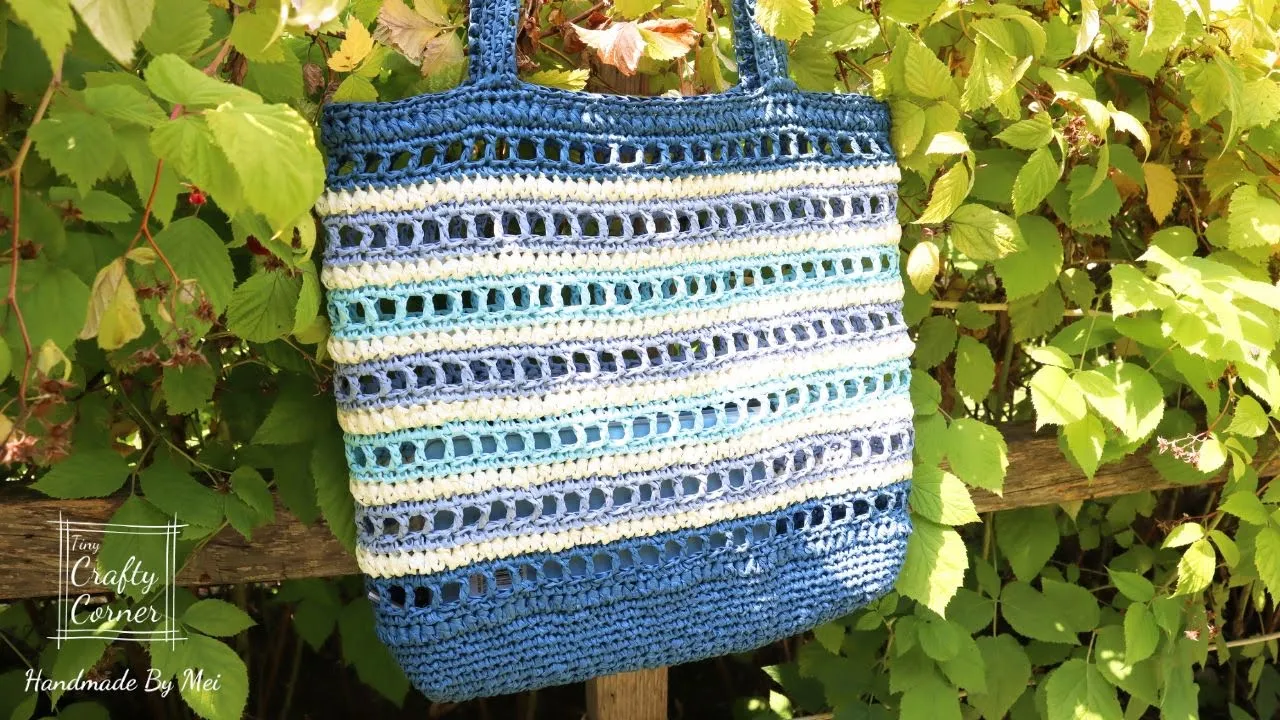
Bags and totes top the list every time. Sturdy market bags, beach totes, and crossbody styles work up fast with single crochet or half-double crochet. They hold shape perfectly, stay lightweight, and handle sand, water splashes, and daily wear like champs. Many free patterns exist for round-bottomed beach bags or simple drawstring styles—perfect stash-busters if you mix colors!
Sun hats and bucket hats are next-level satisfying. The stiff fiber creates beautiful brims that shade your face without flopping. Go for airy stitches like half-double crochet for breathability, or add a wide brim for extra sun protection. These make gorgeous quick gifts—I've seen beginners finish one in a weekend!
Home decor brings that cozy, natural vibe indoors. Crochet baskets, plant pot sleeves, placemats, and coasters add texture to any space. Hold two strands together for thicker, faster pieces—great for using up partial balls.
Accessories keep it fun and simple. Clutches, belts, and even little coin purses come together quickly with basic stitches. They're lightweight, packable, and add handmade charm to any outfit.
Most of these projects use just 1–3 skeins, work up in a few hours to a couple days, and forgive small mistakes beautifully. If you're new, start with a free bucket hat or simple tote pattern—search for "free raffia bucket hat crochet pattern" or "beginner raffia beach bag" and you'll find tons of video tutorials too.
These pieces become your go-to summer essentials. You'll carry that handmade bag everywhere and smile every time you wear your hat. Ready to make one? You've got this—grab your hook and let's create something you'll love using all season long! 💕
Care and Maintenance of Raffia Crochet Items
Your beautiful raffia creations deserve a little TLC to stay looking fresh and structured for years—I hate seeing hard work lose its shape!
Spot cleaning is usually your best friend for everyday dirt. Use a soft, dry brush or clean cloth to gently wipe away dust and light marks—most bags and hats stay pristine this way without any water involved.
If something gets a bit grimy (think beach sand or a small spill), hand wash carefully with cool or lukewarm water and a mild detergent. Submerge briefly, swish gently without twisting or wringing, then press out excess water by rolling the item in a clean towel. Avoid machine washing entirely—raffia (especially natural or rayon types) can lose shape or crinkle badly.
For drying, always lay flat in a shaded, well-ventilated spot away from direct sunlight or heat sources. Reshape while damp: gently pat and stretch the piece back to its original form (great for brims on hats or bases on bags). Never hang to dry—the weight pulls everything out of whack.
Steam blocking works wonders on quality rayon/viscose raffia like Eco Andaria or ISPIE. Hold a steamer over the piece (or use a low iron with steam) to soften and reshape—many crocheters swear by this for crisp, professional results. Just keep it gentle and never soak fully.
Storage is simple: keep items in a cool, dry place away from moisture and humidity to prevent mold or fading. Fold loosely or stuff bags with acid-free tissue paper to hold shape—avoid cramming them into tight spaces. A breathable cotton bag or box works great.
Pro tip: if you used premium rayon raffia, these pieces are more forgiving than true natural or paper types. With minimal care, they'll handle summer adventures season after season without much fuss.
Conclusion
We've covered so much ground—from what raffia really is to my absolute favorite brands and how to make those stunning summer bags and hats.
My top picks remain ECO ANDARIA by Hamanaka for that luxurious feel, ISPIE for unbeatable value and ease, and solid mid-range options like King Cole or DMC Eco Vita when you want reliability without the splurge. Pick what matches your project and budget—you really can't go wrong with quality rayon/viscose.
The best part? These quick-win projects turn out so wearable and pretty that you'll reach for them constantly. Don't let the first few rows scare you off—mistakes are just practice, and your finished piece will look amazing.
Grab your hook, choose a fun color, and make something you'll love carrying all summer (and beyond). You've got this!
I'd love to hear which raffia yarn you're trying first or what project you're dreaming up—drop a comment below or tag me if you share pics. Happy crocheting, friends! 💕

The Author
I'm Joanna T. Grey. I've been designing crochet patterns for over a decade, and I focus on modern, wearable pieces with clear, tested instructions. Every pattern here is written so you actually understand the why behind each step—not just what to do. Even if you're new or experienced, you'll find practical guidance and designs that work.


